
From the first whiff to the final purchase—how does fragrance enter our lives?

Before heading out in the morning, you spritz on your favorite perfume.
It might not be for others to smell; perhaps it is simply because that familiar scent helps you get into the right mindset for the day.
Returning home after get off work, you light a scented candle.
As the familiar aroma slowly spreads, the emotions of a busy day seem to settle down.
The next day, while driving, you catch that familiar scent in your car again.
By this point, you might not even realize it—fragrance is becoming a part of your life.
It is invisible and intangible, yet it influences our emotions, memories, and perception of space—and even our ultimate purchasing decisions.
So, why do consumers fall in love with a specific scent?
I. What we love may be more than just a "smell"
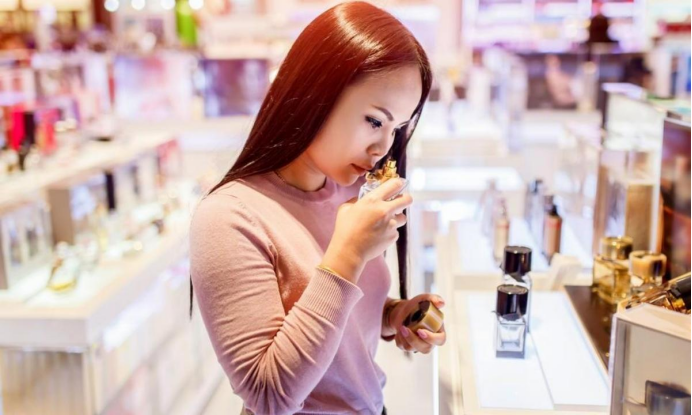
When we say, "This smells wonderful,"
we are often expressing far more than just an opinion on the scent itself.
A scent might evoke thoughts of a specific person, a past trip, a childhood memory, a familiar hotel,
a seaside summer, freshly laundered sheets, or even an indescribable emotion. This is what sets fragrance apart from ordinary consumer goods.
Consumers often purchase not just a product, but the feelings and experiences associated with it.
II. Why do different people perceive the same scent so differently?
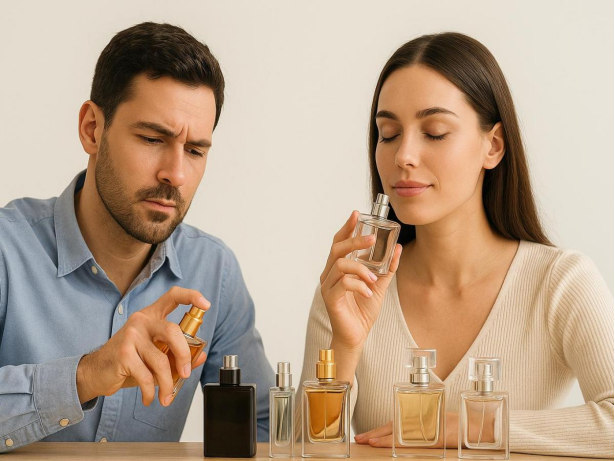
You might love woody notes, while someone else prefers fresh citrus; some enjoy rich rose and floral scents, others like clean white musk, warm amber and vanilla, or the fresh airiness of rain, sea breezes, and green leaves.
No single scent appeals to everyone, as fragrance preferences are tied to personal experiences, lifestyles, cultural backgrounds, and usage contexts.
That is why fragrance brands are increasingly focusing on questions like: Who are the consumers? Where do they live? What do they like? What do they wish to express through scent? This explains the growing emphasis on personalization in today's fragrance products.
III. When consumers buy fragrance, they are actually buying a "feeling"
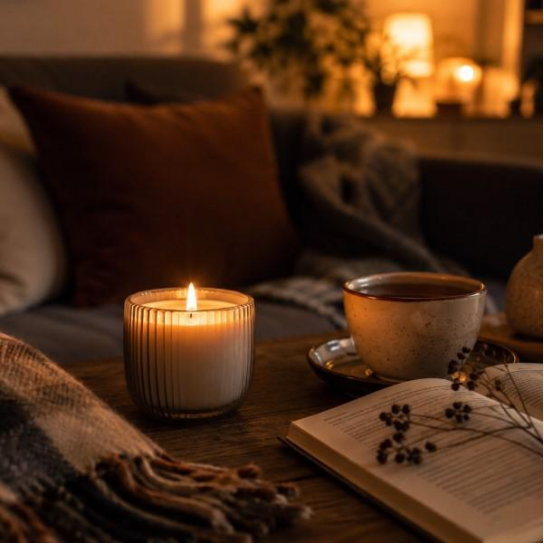
The same scent can provide a completely different experience depending on the product it is used in. With perfume, consumers might be expressing, "This is my style"; perfume is closely linked to personal image.
With scented candles, consumers may be purchasing relaxation, a sense of ritual, and a specific home atmosphere; the act of lighting the candle itself becomes part of daily life.
With liquid diffusers, consumers focus more on maintaining a preferred scent in a space over time; these can be used in bedrooms, living rooms, offices, and commercial spaces.
With car air fresheners, consumers want their vehicles to feel more comfortable, clean, and reflective of their personal style.
With fragrance gift sets, consumers are often buying a way to express their sentiments; thus, while the product is still "scent," the underlying consumer needs vary widely.
IV. Why do certain scents make consumers remember a brand?
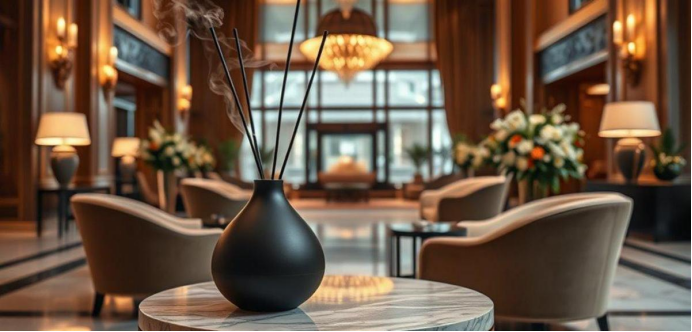
Imagine walking into a hotel.
Years later, you might not recall the furniture or the wall colors, but if you suddenly encounter a similar scent, you might think, "I've been there before." This is the unique power of scent: while visuals help consumers recognize a brand, scent can create a more subtle, lasting brand memory. Consequently, more brands are creating their own:
Signature scents—allowing consumers to form an association where smelling that specific fragrance immediately brings the brand to mind.
V. Why are consumers increasingly focused on natural ingredients and environmental sustainability?
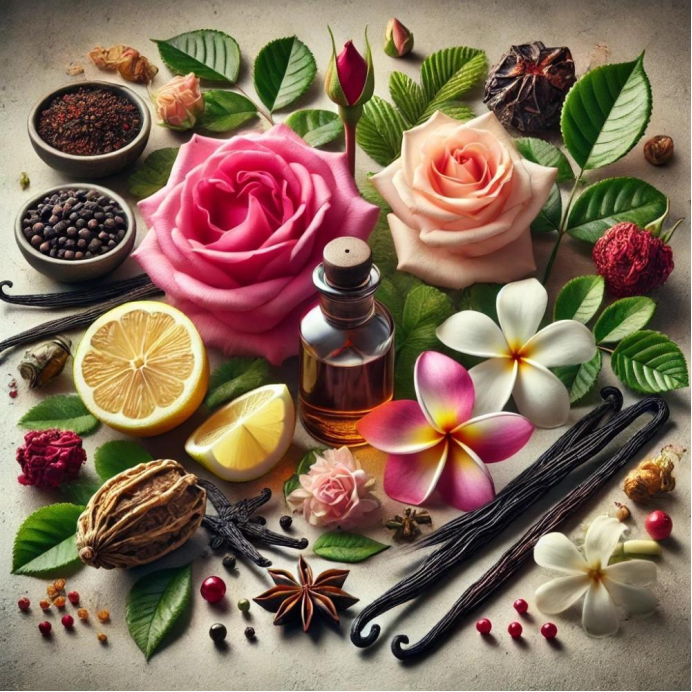
Today’s consumers look beyond the question, "Does it smell good?" They are increasingly concerned with: "What’s inside?" "How is it made?" "Is the packaging eco-friendly?" and "Does the brand value sustainability?"
This is especially true for products that become part of one's living space—such as home fragrances and scented candles—where consumers are paying closer attention to ingredients, packaging, and the overall experience.
As a result, fragrance brands are shifting from competing solely on scent to a more comprehensive competition involving scent, ingredients, design, eco-friendly practices, and brand values.
VI. What exactly do consumers look for when buying fragrance products?
When consumers decide to purchase a fragrance product, they rarely consider just one factor.
① Scent: This is the core product experience.
② Product design: The bottle, candle vessel, diffuser, and overall aesthetic influence the consumer's first impression.
③ Packaging: Exquisite packaging not only protects the product but also shapes the consumer's perception of the brand's value. ④ Usage scenarios: Consumers need to know when and where the product is best used.
What kind of experience does it offer?
⑤ Brand story: Why did the brand create this specific scent? What message does it convey? These elements shape the emotional connection between the consumer and the brand.
⑥ Product philosophy: Concepts such as natural raw materials, botanical ingredients, eco-friendly packaging, and sustainable production are increasingly becoming key factors influencing purchasing decisions for some consumers.
Ultimately, what a consumer buys may not be just a specific function, but rather the answer to the question: "Is this product right for me?"
VII. Why are fragrance brands increasingly prioritizing "multi-scenario experiences"?
Once a consumer falls in love with a particular scent, they often want to continue using it across various aspects of their daily lives.
For example: Morning—perfume; Office—ambient fragrance; Commute—car diffuser; Evening—scented candle; Holidays—fragrance gift set.
If a brand can build a comprehensive product line around a core scent profile, consumers can enjoy a consistent brand experience across different scenarios.
This represents a key direction modern fragrance brands are exploring: shifting from selling individual products to creating a holistic fragrance lifestyle.
VIII. From consumer needs to the birth of a fragrance product
Consumers may only see a bottle of perfume, a candle, or a diffuser, but the journey from concept to market launch involves numerous stages: identifying consumer needs, analyzing market trends, developing scent concepts,
fragrance R&D, sample testing, product design, packaging development, production, market launch, and gathering consumer feedback.
A truly outstanding fragrance product is, at its core, the result of the synergy between consumer needs and R&D/manufacturing capabilities.
IX. How BILA helps brands turn consumer needs into products?

Do you want to create your own exclusive fragrance brand but feel held back by high MOQs, complex supply chains, or complicated customization processes?
We help you navigate every step of the journey, from initial concept to the final product.
As a professional fragrance manufacturer, we offer one-stop customization services covering a wide range of products, including scented candles, perfumes, liquid fragrances, reed diffusers, and smart diffusers.
We manage the entire process—from scent R&D, product design, and custom bottle/packaging development to compliant production and final delivery. Our Core Strengths:
✨ Flexible MOQ & Customization
We support small-batch testing to help brands launch quickly, while also offering scalable production solutions to meet the needs of growing brands.
✨ End-to-End Customization
From initial concept to finished product, we provide one-stop support covering R&D, design, manufacturing, and delivery.
✨ Innovative Products Driving Brand Growth
We continuously develop distinctive fragrance products, helping brands build market competitiveness and achieve sustained growth.
Whether you are an independent online store owner, a cross-border e-commerce seller, a corporate client, an emerging fragrance brand, or a wholesale trader, we provide stable, efficient, and flexible supply chain support.
We are your reliable and agile supply chain partner—contact us today.
FAQ | Frequently Asked Questions
1. Why do consumers prefer certain scents?
Scent preferences are highly personal and often linked to individual experiences, memories, lifestyles, and usage contexts.
2. Can scent really influence purchasing decisions?
Yes. Scent is a core element of the fragrance product experience; however, packaging, brand storytelling, product design, and usage scenarios also collectively shape consumer purchasing decisions.
3. Why do different people perceive the same scent differently?
Everyone has unique scent preferences; therefore, when developing fragrance products, brands must tailor their scent profiles to their target consumers and markets.
4. What is a "signature scent"?
A signature scent is a unique fragrance profile that represents a brand and helps consumers form an olfactory memory associated with it.
5. Can fragrance products be personalized?
Yes. Brands can customize various aspects, including the scent profile, product type, bottle/container, packaging, and gift boxes.
6. Can new brands start with small-batch production to test the market?
Yes. Flexible MOQ allow brands to manage inventory investment during the initial launch phase and assess the product's potential for scaling up based on actual sales and consumer feedback.
Conclusion | A scent leaves behind a memory
We encounter countless scents every day, yet only a few truly leave a lasting impression.
It might be a perfume worn for years, the familiar scent of a candle at home, the ambient fragrance of a hotel, or the car air freshener used daily. Fragrance is invisible, yet it permeates our lives. For fragrance brands, the truly critical question may not be "How do we create a product?" but rather, "How do we create a product that consumers will remember, repurchase, and form a genuine connection with?"
This lies at the heart of innovation in the fragrance industry: starting with consumer needs and using scent to bridge the gap between products, spaces, emotions, and everyday life.
For brands, a truly professional R&D and manufacturing partner can help transform these consumer needs into tangible products—ones that can be seen, smelled, and validated by the market.
BILA—guiding the journey from scent development to final product realization, helping brands turn the fragrances consumers love into market-ready products of genuine value.
Text/Photos: BILA
Copyright and Right of Interpretation held by
BILA Biotechnology (Guangzhou) Co., Ltd.