Exploring the growth trajectories of iconic global fragrance brands and how the new generation of fragrance brands establishes its own distinct identity.
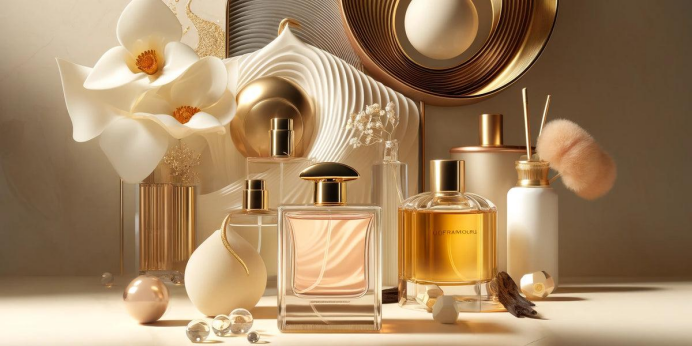
Today’s fragrance market is no longer merely a competition over "which scent smells better."
Consumers are increasingly focused on: Who is the brand? What do the products represent? What emotions and lifestyle experiences can the scent evoke?
From traditional luxury houses to the new generation of niche fragrance brands, the global market has seen the emergence of many brands with distinctive characteristics.
This article selects 10 fragrance brands with global influence and industry significance, analyzing them through three lenses: brand positioning, product strategy, and scent expression.
Note: The brands listed here are representative of the industry and are not ranked officially by global sales volume; the images used focus on fragrance settings and industry visuals rather than official product assets from the brands themselves.
01 Chanel | Turning the Classic into Brand Equity
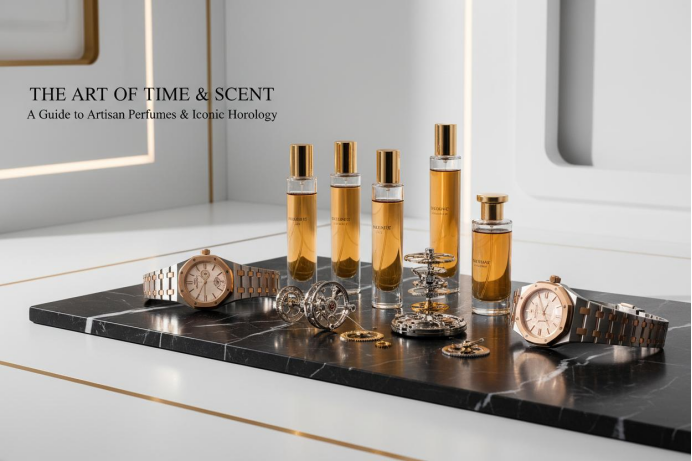
Brand Keywords: Classic, Luxury, Distinctiveness
Chanel exemplifies the classic growth model for traditional luxury brands in the fragrance sector.
It does not treat perfume merely as a standalone product; instead, it links the scent to the brand's history, fashion, aesthetics, and the consumer's identity.
This long-term accumulation has transformed fragrance products into vital brand assets.
Key Takeaways:
For new brands, the priority is not rapid, high-volume product launches, but rather establishing:
A stable brand positioning + a unique visual language + a lasting olfactory memory.
02 Dior | Making Fragrance Part of the Brand Ecosystem
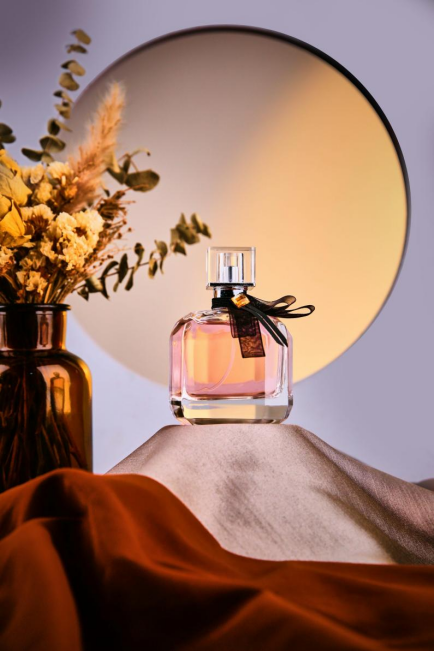
Brand Keywords: Fashion, Luxury, Globalization
Dior’s growth illustrates the synergistic relationship between fragrance and categories such as fashion and beauty.
Perfume is no longer just a single SKU; it has become an integral part of the brand's entire ecosystem.
Key Takeaways:
New brands can start with a single core product, but in the long run, they can gradually build a more comprehensive product matrix—incorporating personal fragrances, home fragrances, gifting products, and more.
03 Jo Malone London | Building Scent Recognition through Minimalism
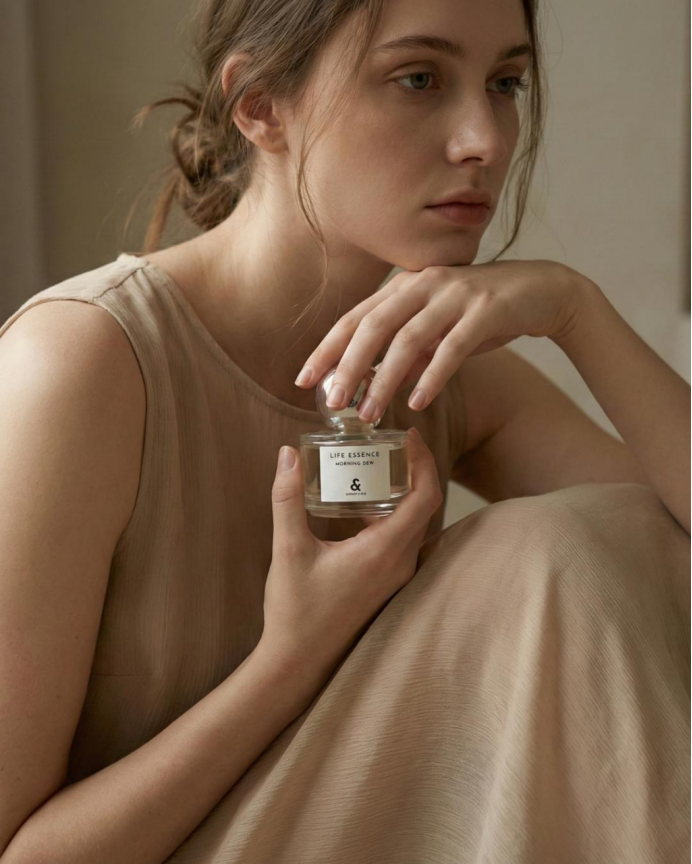
Brand Keywords: Minimalism, Elegance, Scent Combining
Jo Malone London’s brand expression is defined by a distinct sense of minimalism.
This strategy demonstrates that a brand does not necessarily require complex visual design. A unified packaging language, combined with distinctive scent profiles, can effectively establish a lasting brand impression.
Key takeaway:
For new brands, a focused product strategy—prioritizing quality over quantity—is often more effective than launching a vast array of SKUs right from the start.
04 Le Labo | Personalization is transforming fragrance consumption
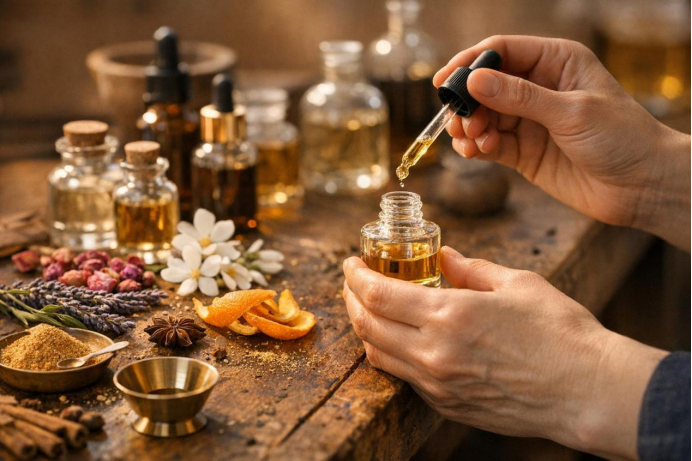
Brand keywords: Individuality, niche appeal, artisanal craftsmanship. Le Labo represents a key growth trajectory for modern niche fragrance brands; unlike traditional luxury houses, it places greater emphasis on the scent itself, the craft of creation, personalization, and the overall brand experience.
Key takeaway:
New brands do not need to replicate the traditional luxury model.
Differentiation can be achieved by defining your own unique target audience, scent style, and brand personality.
05 Diptyque | Home fragrance as a lifestyle
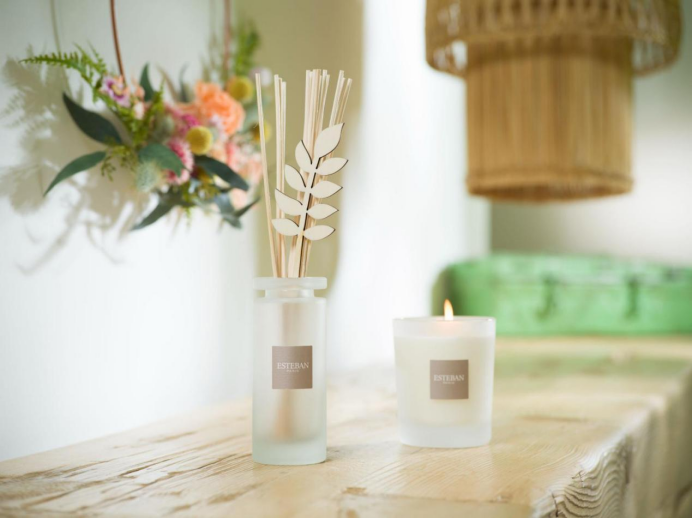
Brand keywords: Art, home, lifestyle.
Diptyque’s evolution illustrates the shift of home fragrance from a purely functional item to a lifestyle product.
Scented candles, home fragrances, and personal fragrances can combine to create a holistic brand experience.
Key takeaway:
Fragrance products serve needs beyond simply making a space smell good.
They can also function as décor, gifts, artistic expressions, and vehicles for emotional experiences.
What can we learn from globally renowned fragrance brands?
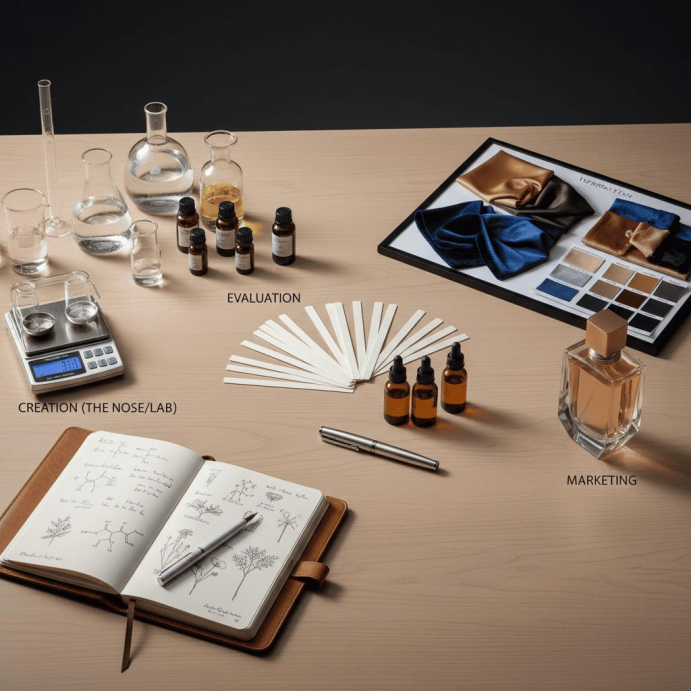
Although these ten brands have different positioning strategies, they share several common traits.
First, the scent is just one component of the brand.
Truly mature brands manage a comprehensive mix: scent, visuals, packaging, storytelling, and the consumer experience.
Second, a single core product can evolve into a complete product portfolio.
Brands can start with one signature scent and gradually expand:
Perfumes, scented candles, diffusers, car air fresheners, smart diffusers, and gift sets—ensuring the brand remains present across various aspects of the consumer's life.
Third, a massive product lineup isn't a prerequisite for market entry.
For new brands, launching with too many SKUs can lead to high R&D and packaging costs, inventory burdens, and the pressure of market testing. A more agile approach involves: a few core products → small-batch testing → gathering market feedback → optimization → scaling up production. This explains why an increasing number of emerging brands are prioritizing flexible MOQs (Minimum Order Quantities).
How can new brands find their own unique fragrance positioning? The question a brand truly needs to answer is not "Which major brand should I imitate?"
But rather: "How do I want consumers to remember my brand?"
You can start by asking four questions:
Who am I? Define the brand's values and positioning.
Who do I serve? Identify the target consumer.
What do I want consumers to feel? Determine the emotional tone and lifestyle.
Which scent best expresses this feeling? Only then should you move to scent development; this ensures the fragrance becomes an integral part of the brand strategy.
BILA: Helping brands bring fragrance concepts to life
As a professional fragrance manufacturer, BILA offers one-stop custom fragrance services covering a wide range of products, including scented candles, perfumes, liquid diffusers, reed diffusers, and smart diffusers.
We manage the entire process—from scent development, product design, and custom bottle/packaging creation to compliant production and delivery.
Our core strengths:
✨ Flexible MOQ Customization
We support small-batch testing to help brands launch quickly, while also providing scalable production solutions to meet growth needs.
✨ End-to-End Customization
From initial concept to finished product, we provide comprehensive support across R&D, design, production, and delivery.
✨ Innovative Products Driving Brand Growth
We continuously develop distinctive fragrance products to help brands build market competitiveness and achieve sustained growth.
Whether you are an independent online seller, a cross-border e-commerce business, a corporate client, an emerging fragrance brand, or a wholesaler, we provide stable, efficient, and flexible supply chain support.
FAQ | Frequently Asked Questions
1. What are some well-known global fragrance brands?
Globally representative fragrance brands include Chanel, Dior, Jo Malone London, Le Labo, Diptyque, Byredo, Maison Margiela Fragrances, Tom Ford Beauty, Creed, and Aesop.
This list is based on brand influence, product characteristics, and industry representation; it is not an official ranking based on sales figures.
2. Can new fragrance brands learn from major brands?
Yes, but what is truly worth learning is their brand positioning, scent identity, visual language, product storytelling, and consumer experience—rather than simply copying their products.
3. Does a new brand need to develop many scents at once? Not necessarily; you can start by selecting a few core scents for market testing and then gradually expand your product line based on sales performance.
4. Can fragrance brands develop their own exclusive scents?
Yes. By working with a team of professional perfumers, brands can develop custom scents tailored to their positioning, target consumers, and specific usage scenarios.
5. Does BILA support small-batch customization?
Yes, we offer flexible customization with adjustable Minimum Order Quantities (MOQs). Specific order minimums are determined based on product type, packaging solutions, and the level of customization required.
For new product projects, we can tailor production plans to meet the brand's market testing needs.
6. Can BILA manufacture different types of fragrance products simultaneously?
Yes. BILA’s product development capabilities cover:
Perfumes, scented candles, liquid diffusers, smart diffusers, car air fresheners, and fragrance gift sets.
Conclusion
Globally renowned fragrance brands follow diverse paths to success.
Some build brand equity through classic offerings;
Some create differentiation through personalization;
Some enter the lifestyle market via home fragrance products;
Others redefine the relationship between consumer and brand through immersive spatial experiences.
Yet, they all share one common trait:
They do not merely sell scents; they create brand memories.
For a new generation of fragrance brands, the true priority is not to become the "next [famous brand]," but to discover:
Their own unique positioning, signature scents, and brand story.
A reliable fragrance R&D and manufacturing partner can help brands turn these creative visions into tangible products.
BILA—from scent R&D to final product realization, helping global brands create their own unique worlds of fragrance.
Text/Photos: BILA
Copyright and Right of Interpretation held by
BILA Biotechnology (Guangzhou) Co., Ltd.