
In the past, many households used home fragrances simply to make a room "smell better."
Today, however, an increasing number of consumers are consciously selecting distinct scents for different areas of their homes: the entryway calls for something fresh and clean; the living room benefits from a cozy, natural ambiance; the bedroom favors soft, relaxing notes; and the study requires an atmosphere that feels crisp and clear.
Home fragrance is evolving from a simple "bottle of scent placed in the home" into a more nuanced form of spatial scent design.
For fragrance brands, this implies that consumers are no longer looking for just a single product, but rather a curated set of products and scents tailored to various household settings.
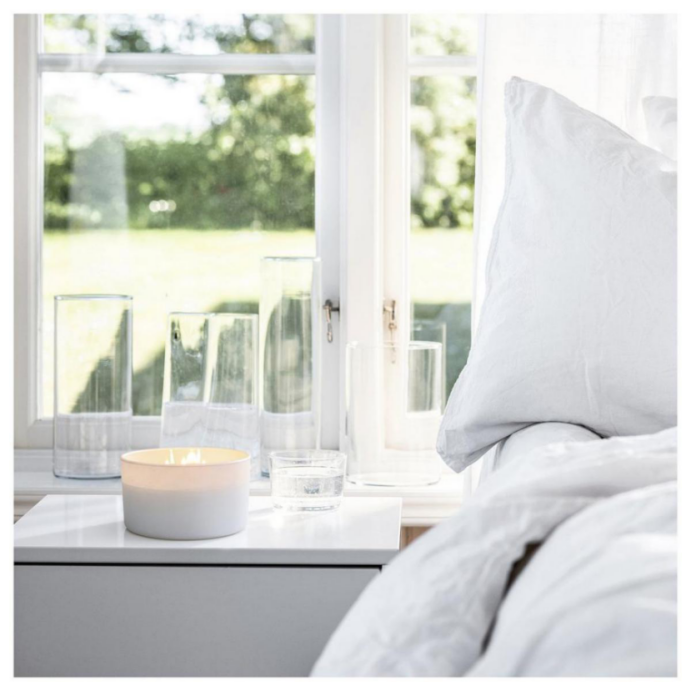
I. From "One Scent" to "Unique Scents for Different Spaces"
Previously, a household might buy a single fragrance product for the living room, filling the entire home with the same scent.
However, as consumers place higher demands on their living experiences, a "one-scent-fits-all" approach often falls short.
This is because different spaces serve different functions.
The entryway creates the first impression upon entering the home, making fresh, clean scents ideal;
The living room is the primary space for family interaction and entertaining guests, so scents that evoke comfort and atmosphere are preferred;
The bedroom emphasizes a soft, tranquil feel;
The study benefits from crisp, clean notes that maintain a sense of order and clarity;
Meanwhile, smaller spaces like bathrooms, closets, and cars have their own specific fragrance requirements.
Ultimately, what consumers are truly creating is not merely "scent," but a personalized olfactory system for their home.
II. Why Is Home Fragrance Becoming "Space-Specific"?
One significant shift is the growing importance consumers place on their living environments.
Even within identical floor plans, households differ in their décor styles, lifestyle habits, family composition, and daily activities.
Some prefer minimalist, natural spaces; others favor a warm, refined atmosphere; and some seek to infuse their homes with a distinct personal style.
Unlike furniture or décor, fragrance does not occupy visual space, yet it serves as a vital component of the overall spatial experience.
For consumers who frequently work from home, enjoy tidying up, or value home ambiance, fragrance has gradually become an integral part of the living space. This has made the question "What should my home smell like?" increasingly worthy of attention from brands.
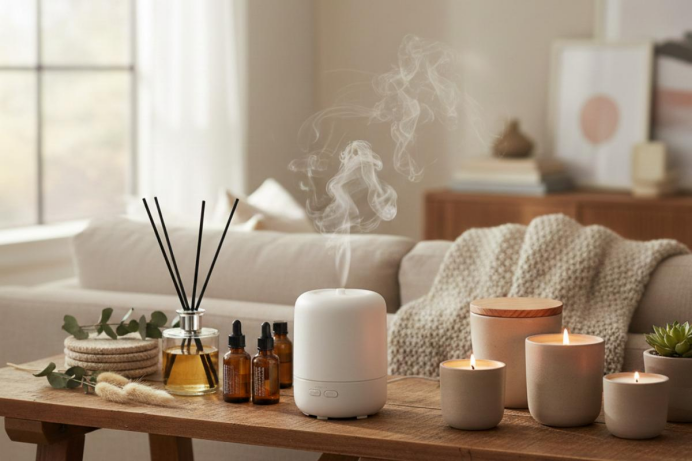
III. A true "signature home scent experience" isn't just about randomly assigning a different fragrance to each room.
Simply placing different scents in different rooms can easily result in a chaotic olfactory environment for the home.
A more sophisticated approach to home scent design requires balancing a sense of unity with distinct variations.
For instance, a brand might develop products with varying concentrations and scent profiles, all centered around a single core fragrance concept.
The living room could feature a richer, fuller scent, while the bedroom uses a more subtle fragrance; the entryway could remain fresh and crisp, while the wardrobe utilizes lighter, airier notes.
This allows each space to retain its unique character without creating conflicting olfactory themes throughout the home.
This is precisely why some fragrance brands are shifting from developing standalone products to creating cohesive, scenario-based home fragrance collections.
Consumers are no longer just buying a diffuser or a scented candle; they are purchasing a lifestyle experience that extends across different areas of the home.
IV. Creating a "home scent environment" actually requires a diverse range of products.
When brands begin developing home fragrance collections, they often encounter a challenge:
Different spaces have vastly different requirements regarding product formats.
Living rooms can accommodate liquid diffusers, aroma machines, or scented candles;
Bedrooms are suited for smaller diffusers or scented candles;
Wardrobes call for solid fragrances or hanging sachets;
Bathrooms require compact diffuser products;
And cars need specialized automotive fragrance products.
Consequently, if a brand lacks the manufacturing capabilities for a diverse product range, it is difficult to deliver a truly comprehensive home fragrance solution.
Moreover, when using the same or related scents across different products, brands must address issues such as fragrance fidelity, formula compatibility, and performance variations caused by different base materials.
This places significant demands on the fragrance manufacturer's research and development capabilities.
V. Expanding from a single product to a complete "home fragrance collection."
For brands, this shift in consumer behavior presents new opportunities for product development.
In the past, the goal might have been simply to create a single "best-selling scent."
Now, brands can take a broader approach:
Can we develop a complete home fragrance collection centered around a single core scent? For instance, a "natural wood" theme can be expanded into a range of products: living room diffusers, bedroom scented candles, wardrobe fragrances, and car air fresheners.
The value of this approach goes beyond merely increasing the number of SKUs.
Once a consumer connects with a specific scent, they may progress from purchasing a living room product to buying items for the bedroom, and eventually extending to other spaces like their car or wardrobe.
A single scent profile has the potential to evolve from an isolated item into a comprehensive product line.
For a brand, this translates to a higher likelihood of repeat purchases and offers the opportunity to gradually establish a signature olfactory identity.
VI. Great home fragrance products should be conceived by starting with the "space"
Consequently, the development logic for home fragrances is likely to shift in the future.
Instead of asking:
"What fragrance products should we launch this year?"
Brands should ask:
"In which home spaces do consumers need fragrance? What specific types of products and scents are required for each of these spaces?"
By starting with the space—and then determining product format, volume, scent profile, packaging, and price point—a brand can create a much clearer product portfolio.
This is a crucial factor for brands seeking the "best home fragrance factory in Guangzhou": can the factory take a single scent profile and successfully adapt the formula across different product formats to create a cohesive series?
For brands developing a diverse range of products—such as scented candles, liquid diffusers, perfumes, and aroma diffusers—partnering with a supplier that possesses both multi-category manufacturing capabilities and scent R&D expertise minimizes the communication hurdles and scent inconsistencies often associated with managing multiple suppliers.
VII. Future home fragrance offerings may evolve into "olfactory spatial solutions"
As consumers begin to pay attention to the scents in specific areas—such as the entryway, living room, bedroom, study, and wardrobe—home fragrance ceases to be merely a standalone consumer product.
It becomes more akin to a language of spatial design.
What brands truly need to do is not simply manufacture more products, but establish a clear product system based on the matrix of:
Space × Scent Profile × Product Format × Packaging × Usage Scenario
It starts with a single diffuser and gradually extends to the entire home; it begins with one scent and builds a lasting olfactory memory of the brand in the consumer's mind.
This may well be the reason why the concept of a "signature scent space" is garnering increasing attention from consumers.
How does BILA help brands develop scents across different product categories? With over 30 years of experience as a direct manufacturer, we provide global brands with comprehensive, customized solutions for new product incubation and flexible production support—including low minimum order quantities (MOQs). Our product range spans scented candles, perfumes, liquid diffusers, smart aroma diffusers, and more. We manage the entire process, from fragrance R&D, product design, and custom packaging to compliant manufacturing and final delivery.
Why global clients partner with us (Our Core Strengths):
✨ Flexible MOQs: From Customization to Mass Production
We support small-batch orders to help brands minimize market testing risks and inventory pressure, while also meeting large-scale production needs to drive market growth.
✨ End-to-End Customization Services
We offer a one-stop service covering everything from fragrance R&D, custom packaging materials, and visual design to customs clearance and shipping that meets global compliance standards.
✨ International Perfumer Team Driving Brand Growth
Our team of international perfumers helps brands capture cutting-edge fragrance trends, boost market competitiveness, and achieve sustainable growth.
✨ 30+ Years of Industry Experience & EU Certifications
Our products and services reach over 40 countries, complying with EU regulations and global industry standards such as IFRA, REACH, and CE.
✨ Artistic Fragrance & Eco-Friendly Philosophy
We create collectible, heirloom-quality artistic fragrances that offer multi-functional utility, emphasizing natural, healthy, and plant-based ingredients.
Whether you are a brand owner, retailer, wholesaler, distributor, cross-border e-commerce seller, independent online merchant, corporate client, or trader—and whether you are seeking a reliable supply chain partner or looking to scale up production for existing projects—we stand ready as your solid, dependable supply chain backbone. Contact us today.
FAQ
Q1: Do different spaces in the home require different fragrances?
Not necessarily. You can choose a single signature scent to unify the home's atmosphere, or select different fragrances tailored to the specific function and mood of each room.
Q2: Can a single fragrance be developed into various home fragrance products?
Yes, but since different products utilize distinct base materials and formulation systems, specific adaptations and testing are required for each category—such as scented candles, diffusers, and perfumes.
Q3: Why is it a good idea for a brand to develop a "home fragrance collection"? Compared to a single SKU, a product series can cover a wider range of home settings and encourages consumers to expand their purchases from one product to items designed for other areas of the home.
Q4: Can smaller brands also create their own exclusive home fragrance collections?
Yes. Through small-batch customization, brands can test core scents and gauge market feedback before gradually expanding their product lines, thereby reducing the financial pressure associated with upfront development and inventory stocking.
BILA helps brands develop exclusive scents tailored to specific home spaces and—through multi-category product customization—extend a single fragrance into a comprehensive home olfactory experience.
Text/Photos: BILA
Copyright and Right of Interpretation held by
BILA Biotechnology (Guangzhou) Co., Ltd.