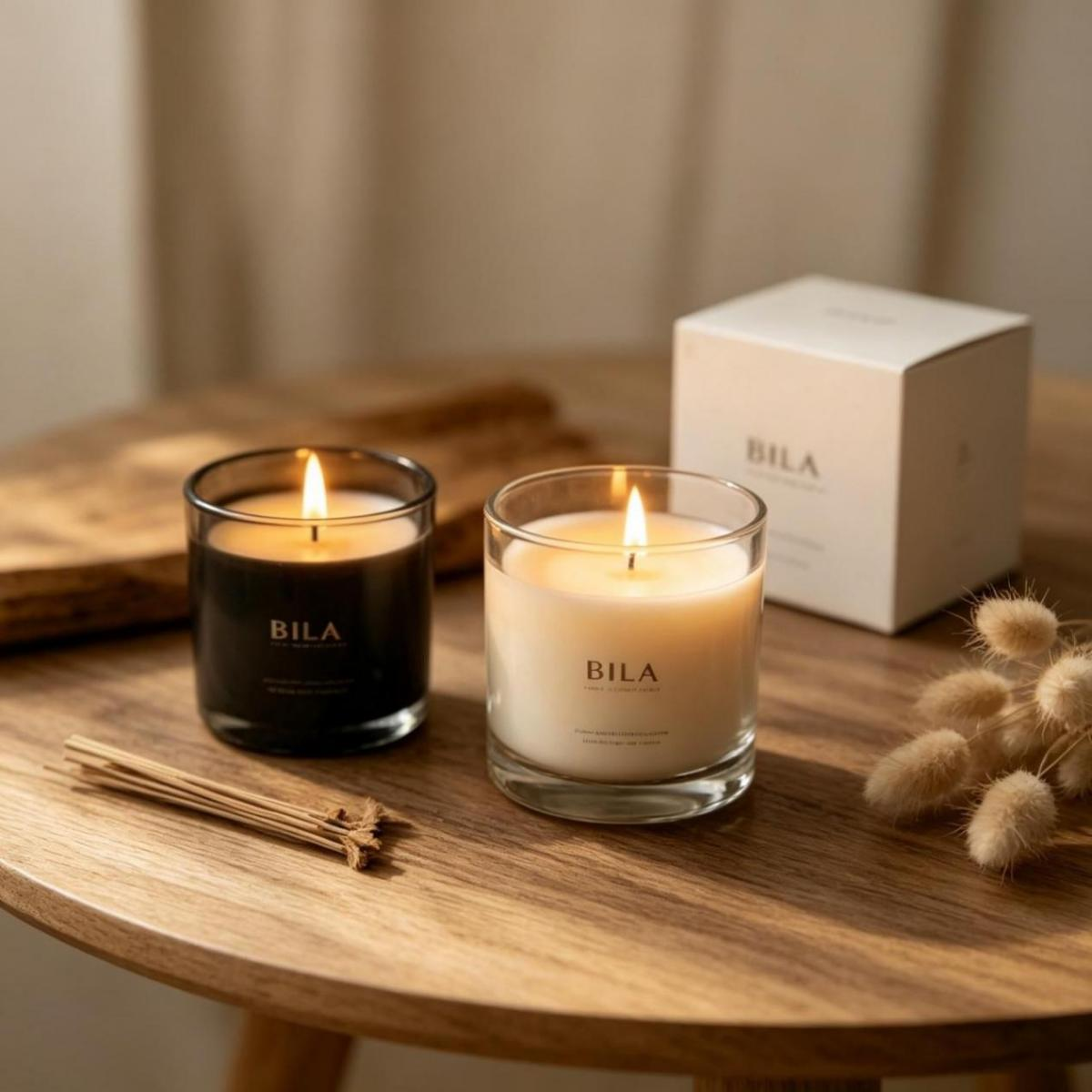
Why are more and more guesthouses and boutique hotels creating their own signature scents?
What is the one thing a guesthouse most hopes to leave with its guests? It might be the view from the window, a uniquely designed room, a delicious breakfast, or warm, attentive service—yet there is another experience that is often overlooked.
That experience is scent.
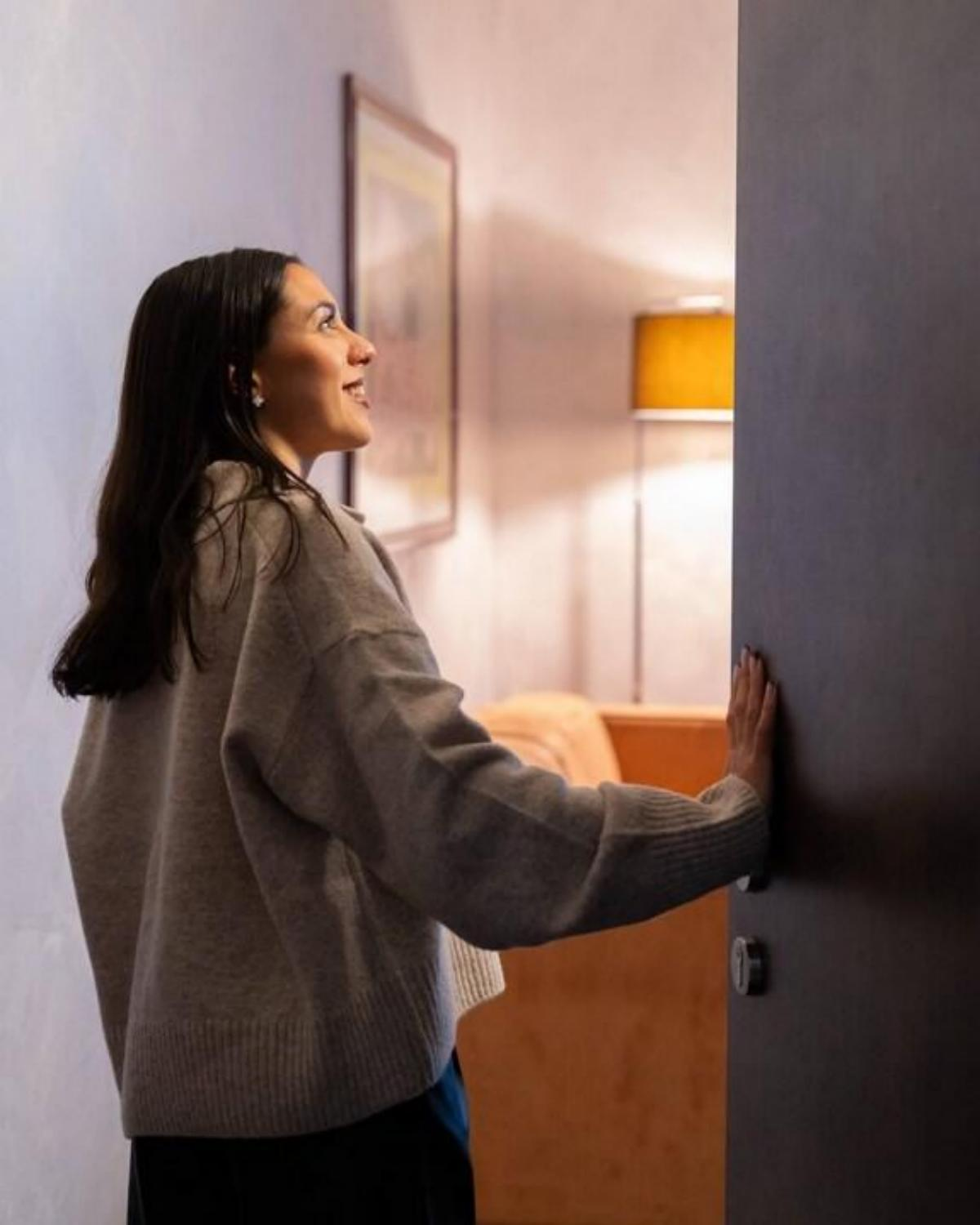
When guests push open the door to a guesthouse, it isn't just the décor, lighting, and music that make an impression.
The scent in the air immediately shapes their perception of the space—perhaps a subtle woody note, the freshness of white tea, the aroma of rain-kissed greenery, or a warm, tranquil fragrance that invites them to slow down and unwind.
Long after guests have departed and forgotten a specific decorative detail, a familiar scent can often instantly evoke memories of that trip.
This is precisely why an increasing number of guesthouses, boutique hotels, and unique accommodations are focusing on developing their own "Signature Scent."
I. Competition Among Guesthouses Goes Beyond "Good Looks"
Nowadays, more and more guesthouses boast beautiful designs.
From natural wood aesthetics and *wabi-sabi* styles to modern minimalism, nature-inspired retreats, and French vintage charm...
Before booking, consumers can view photos of the rooms, the scenery, and the common areas.
However, once they arrive in person, the overall experience is often defined by finer details.
For instance: Is the space clean and comfortable? Is the lighting relaxing? Is the bedding cozy?
Do the common areas possess a unique atmosphere?
And—what does the space smell like?
To consumers, a great guesthouse offers more than just a place to sleep.
It offers a brief, immersive lifestyle experience, and fragrance can play an integral role in that sensory journey.
II. First Impressions Often Begin the Moment the Door Opens
Imagine a guest finally arriving at the guesthouse after a journey of several hours.
They open the door to reveal a thoughtfully designed space.
Sunlight streams in through the window, and simultaneously, a clean, comforting, and subtle fragrance greets them in the air. This kind of experience is hard to describe precisely, yet it evokes an intuitive feeling: "I like it here."
A good ambient scent doesn't need to be overpowering; on the contrary, it should feel like a natural part of the space itself.
Guests shouldn't feel the need to remark, "The scent here is so strong," the moment they walk in.
The ideal reaction is simply: "This place feels so comfortable."
That is the true value of ambient scent—it doesn't necessarily demand attention, yet it shapes the mood of the entire space.
III. Different types of guesthouses call for different scents
When choosing a scent, the most important question isn't "Which one smells the best?"
It is "Which scent best suits my space?"
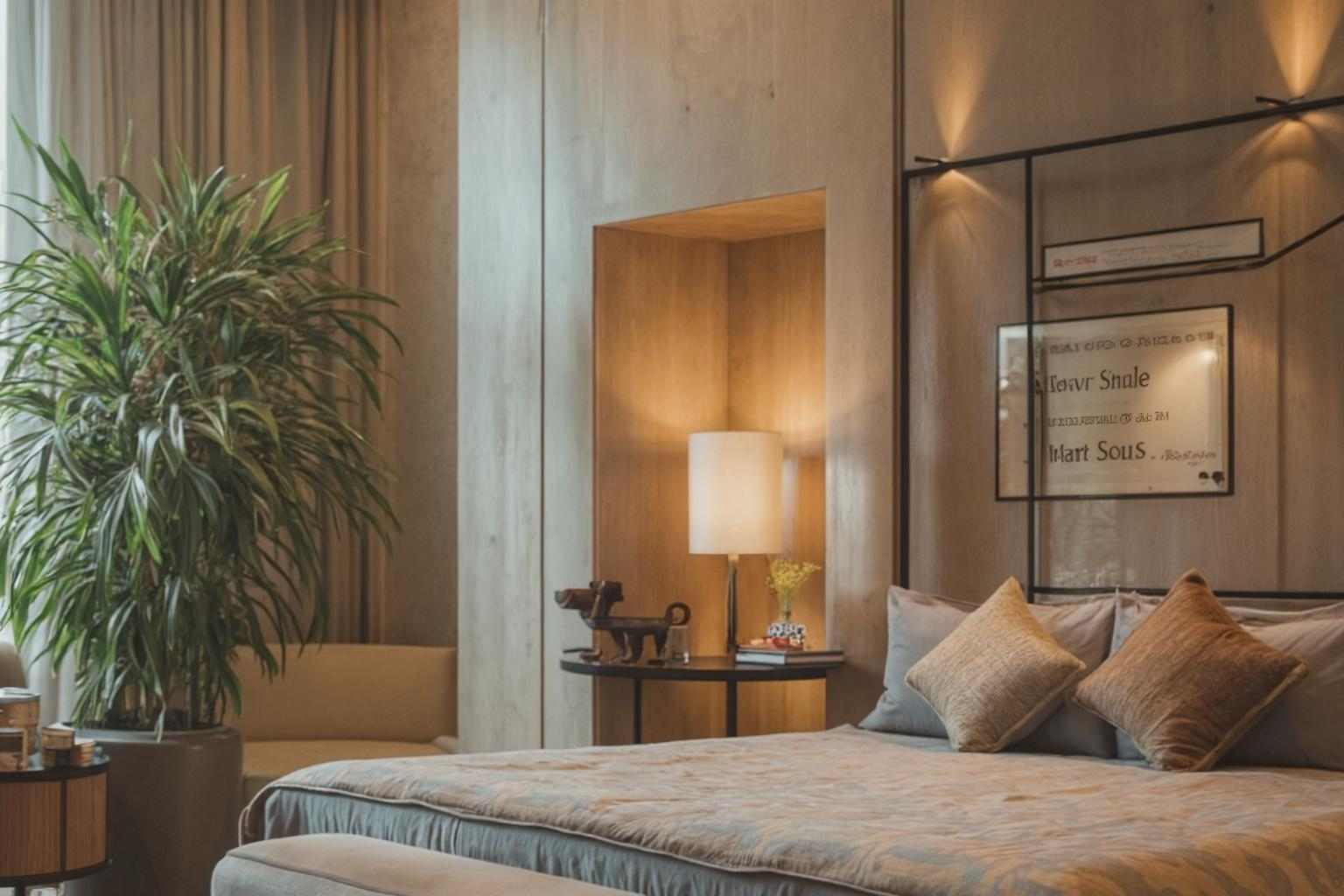
For mountain guesthouses—if the property is nestled in the woods, by a lake, or in a natural setting—consider:
Natural notes like pine, cedar, moss, tea, or herbs; these create a cohesive experience that harmonizes with the surroundings.
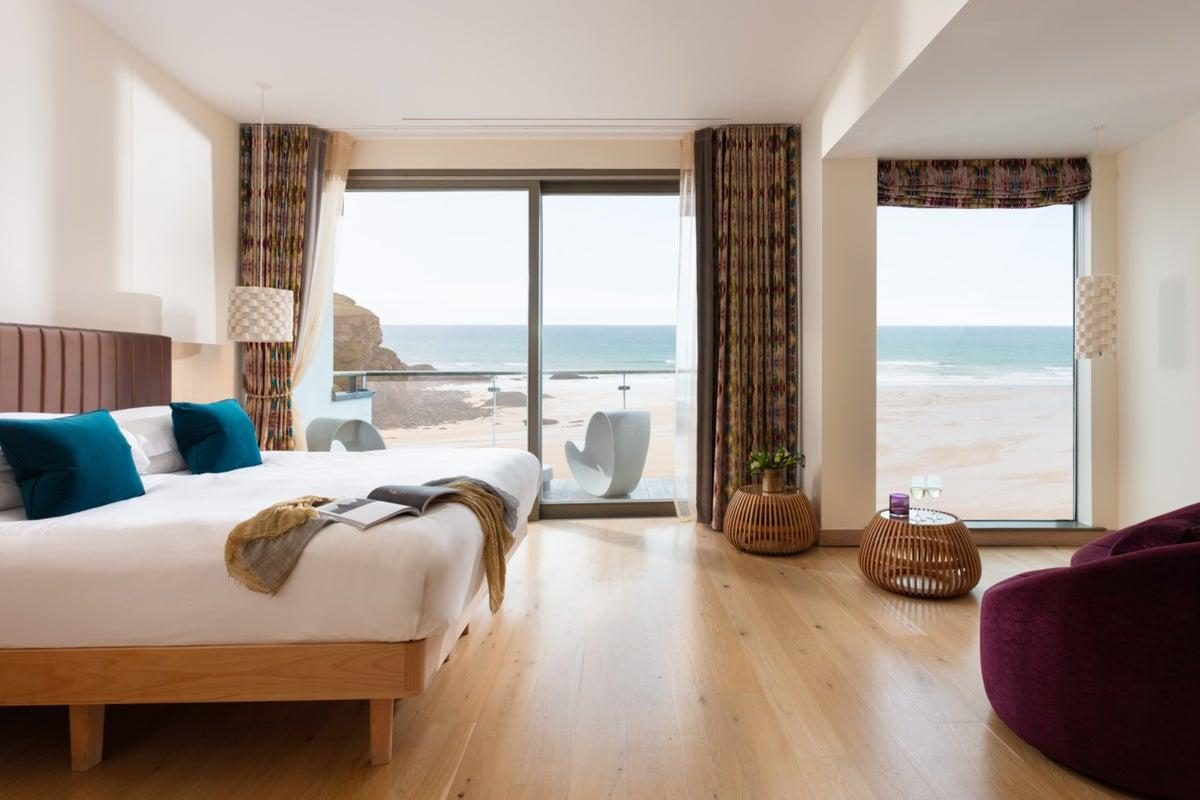
For seaside guesthouses—try notes like citrus, sea salt, aquatic accords, white florals, or light botanicals to create a fresh, bright atmosphere.
For urban boutique guesthouses—with their modern, minimalist aesthetic, consider white tea, white musk, bergamot, fig, or subtle woody notes to evoke a clean, contemporary feel.
For vacation-style guesthouses—if the goal is to help guests relax immediately upon arrival, try floral, botanical, warm wood, or soft amber notes.
The aim isn't to create a strong sensory jolt, but rather to evoke a feeling of "stepping away from daily life."
IV. True value lies not just in smelling good, but in being memorable
Any guesthouse can use a standard ambient scent, but things change when a carefully curated, signature scent is used consistently over time.
The scent becomes inextricably linked to the space. Guests encounter it upon arrival, in common areas, and back in their rooms. Over time, it becomes part of the guesthouse experience itself. Years later, encountering a similar scent elsewhere might trigger a sudden memory: "This reminds me of that guesthouse I stayed at."
That is the significance of a signature scent: while visuals help consumers recognize a guesthouse, scent helps them remember the experience. V. A signature scent that extends from the space to the product
For homestay operators, the value of a signature scent need not be confined to the physical space alone.
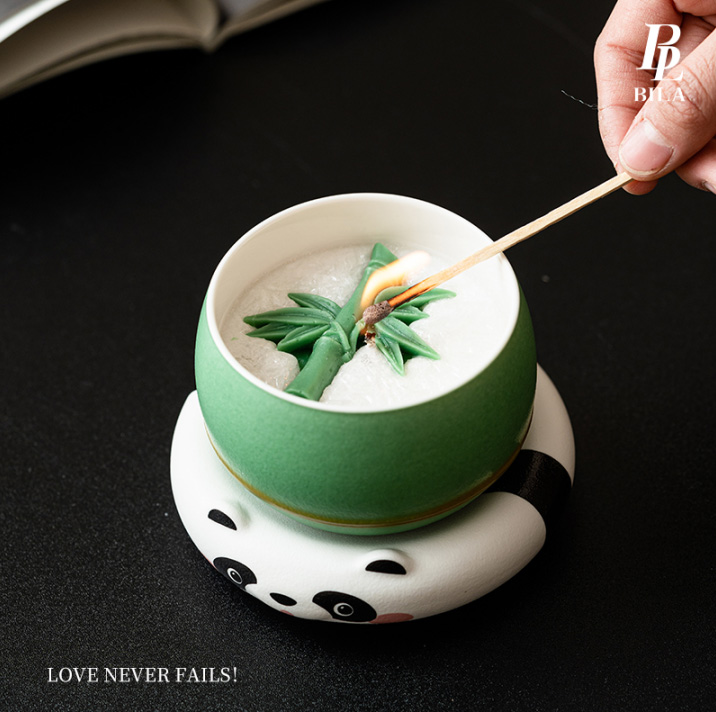
Once guests grow fond of the fragrance, they may ask questions like, "What is that scent in your rooms?" or "Can I take this fragrance home with me?" At this point, the ambient scent presents an opportunity to become a retail product. For instance, a homestay could develop a range of products based on its core fragrance—such as scented candles, room sprays, car diffusers, travel-sized fragrances, or branded gift sets.
In this way, the scent experienced during the stay can be taken home, extending the experience beyond the guest's departure. For the homestay, this not only enhances the brand experience but also creates a potential new revenue stream.
VI. Transitioning from "ambient scenting" to "branded retail"—a step-by-step approach
Not every homestay needs to launch a full fragrance product line right from the start; a more prudent approach might look like this:
Step 1: Define the style of the space
Step 2: Develop a fragrance profile suited to the homestay
Step 3: Produce samples for testing
Step 4: Use the scent in the actual space
Step 5: Gather guest feedback
Step 6: Finalize the core fragrance
Step 7: Develop retail products
For example, a homestay might begin by using ambient diffusers; if guests respond positively to the scent, they can then gradually expand into:
Scented candles, room sprays, or branded gift sets. This approach offers greater flexibility than investing in a large number of SKUs from the outset.
VII. Can small homestays also develop their own signature scents?
This is a common concern among operators.
They might wonder, "I only run one homestay—is a custom scent really necessary?" or "Doesn't custom product development require placing huge orders?"
In reality, a signature fragrance project does not have to begin with mass production.
For homestays, boutique hotels, and commercial spaces exploring new experiences, the priority is finding a development method that suits their specific needs.
For instance, one might start by defining the fragrance profile, conducting sample tests, and verifying how the scent performs in the actual space.
By observing guest feedback and gaining validation for the experience, the business can then gradually increase product volume or expand into new product categories.
Therefore, for small commercial spaces, flexible Minimum Order Quantities (MOQs) and a phased product development approach are often more suitable than a one-time bulk purchase.
VIII. In which areas of a homestay can fragrance be used? A comprehensive spatial fragrance strategy can be tailored to different areas.
Lobbies and public areas are ideal for establishing a first impression through ambient scenting.
Guest rooms benefit from softer, more comforting fragrances that enhance the stay experience.
Restrooms call for products suited to smaller spaces.
In reading or lounge areas, scented candles or gentle ambient fragrances help create a more relaxing atmosphere.
At the reception retail area, the guesthouse can showcase its own branded products, such as scented candles, room sprays, car diffusers, and gift sets.
In this way, scent evolves from a mere service detail into a signature brand product.
IX. What factors should be considered when creating a signature scent?
Selecting a scent for a guesthouse involves more than just picking the "best-smelling" fragrance oil.
Before development begins, operators should consider: the guesthouse's location and surroundings; its interior design style; the target clientele; the desired emotional response upon entering the space; and whether the scent will eventually be extended into a retail product line.
For instance, a mountain guesthouse focused on nature and wellness might suit a fresh, botanical fragrance.
Conversely, a modern boutique hotel might be better suited to a clean, minimalist, and sophisticated scent profile. The right fragrance should help the space express its unique personality rather than making every area smell identical.
X. How does BILA help commercial spaces create their own signature scents?
For guesthouses, boutique hotels, and other commercial spaces, developing a fragrance product involves far more than simply purchasing off-the-shelf items.
It encompasses spatial positioning, fragrance direction, product type, packaging design, real-world performance, and potential future retail expansion.
Do you want to create a signature fragrance brand but feel held back by high Minimum Order Quantities (MOQs), complex supply chains, or intricate customization processes?
We assist you at every step, from initial concept to final product realization.
As a manufacturer with over 30 years of experience, we provide global brands with comprehensive customization solutions and flexible, low-MOQ production support for new product incubation. Our diverse product range includes scented candles, perfumes, liquid diffusers, and smart scent diffusers. We manage the entire process—from fragrance R&D, product design, and custom bottle/packaging creation to compliant manufacturing and delivery. Why Global Clients Partner with Us (Our Core Strengths):
✨ Flexible MOQ & Customized Supply Chain
We support small-batch orders, helping brands minimize market testing risks and inventory pressure, while also meeting large-scale production needs to drive market growth.
✨ End-to-End Customization Services
We provide a one-stop solution covering everything from fragrance R&D, packaging customization, and visual design to customs clearance and shipping that meets global compliance standards.
✨ International Perfumer Team Driving Brand Growth
Our team of international perfumers helps brands capture cutting-edge fragrance trends, boost market competitiveness, and achieve sustainable growth.
✨ 30+ Years of Industry Experience & EU Certifications
Our products and services reach over 40 countries, complying with EU regulations and global industry standards such as IFRA, REACH, and CE.
✨ Artistic Fragrance & Eco-Friendly Philosophy
We create collectible, heirloom-quality artistic fragrances that offer multi-functional utility, while championing natural, healthy, plant-based ingredients.
FAQ | Frequently Asked Questions
Why do homestays need ambient fragrance?
Ambient fragrance helps create a more immersive guest experience, engaging guests through visual, auditory, and olfactory senses.
What is a "signature scent" for a homestay?
A signature scent is a unique fragrance profile developed specifically to align with the homestay's brand positioning, interior style, and target audience.
Can small homestays create their own custom fragrances?
Yes. Solutions can be tailored based on product type, customization requirements, and specific needs. For new product initiatives, we can start with samples and small-batch testing.
Can a single fragrance be used for multiple products?
Yes. A core fragrance profile can be adapted into various products—such as diffusers, scented candles, room sprays, car air fresheners, and gift sets—based on the specific characteristics of each item.
Can homestays sell their fragrance products to guests?
Yes. Many commercial spaces offer branded fragrance products for retail or as gifts, allowing consumers to take the experience of the space home with them.
Does BILA offer comprehensive customization services?
Yes. BILA provides a full-service solution, covering fragrance R&D, product design, packaging customization, and sample development, all the way through to mass production and ongoing supply. Conclusion | What guests take away is more than just a photograph.
The true value of a guesthouse lies not merely in the visual appeal of its rooms, but in the lasting memories guests carry with them after they leave—memories of the time spent there.
It might be the view from a window, a cup of morning coffee, or the soft glow of the room’s lighting at night.
Or perhaps it is a familiar scent in the air; a fine fragrance does not replace spatial design—it completes it.
When a specific scent evokes the memory of a journey, an experience, or a past stay at a guesthouse, the fragrance transcends its physical form to become an integral part of the brand’s identity.
BILA—guiding the process from scent development to final product, we help guesthouses, boutique hotels, and commercial spaces transform their unique atmospheres into signature fragrance products.
Text/Photos: BILA
Copyright and Right of Interpretation held by
BILA Biotechnology (Guangzhou) Co., Ltd.
.png)