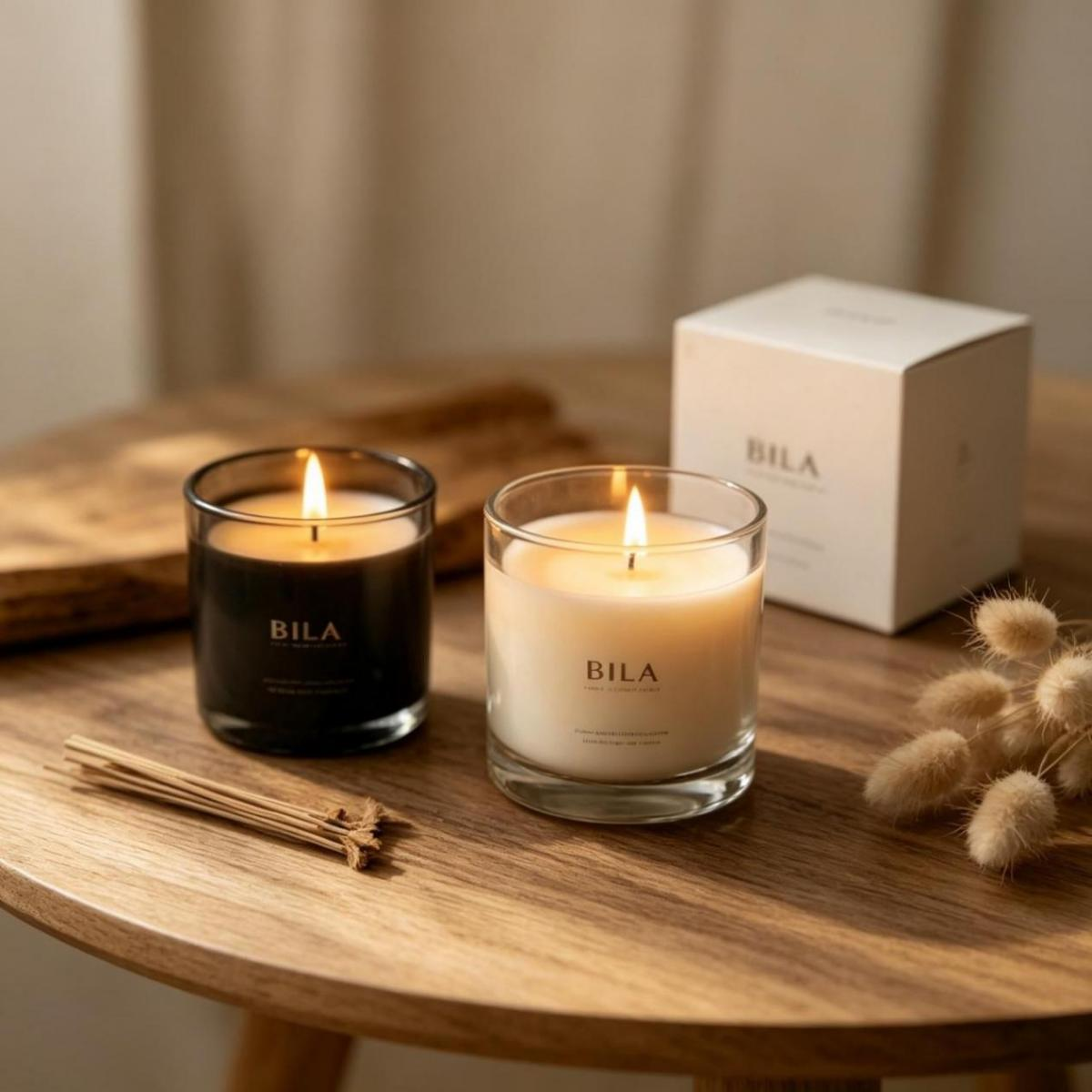
From MOQs and packaging to lead times—what should buyers really be comparing?
When brands, retailers, cross-border e-commerce sellers, and traders look for fragrance suppliers, their primary focus is often a single figure:
Price. "How much is this perfume?" "What’s the price for 1,000 units?"
"Why is your quote for this candle higher than the other supplier's?"
Price certainly matters, but anyone with experience in product procurement knows:
The supplier with the lowest quote isn't necessarily the one with the lowest total cost.
Bringing a fragrance product to market involves far more than just the product itself; it encompasses MOQs, packaging, prototyping, R&D, lead times, regulatory compliance, shipping, and subsequent restocking.
If you compare only the "unit price," you risk overlooking the factors that truly drive project costs.
Does a low unit price really mean a low procurement cost?
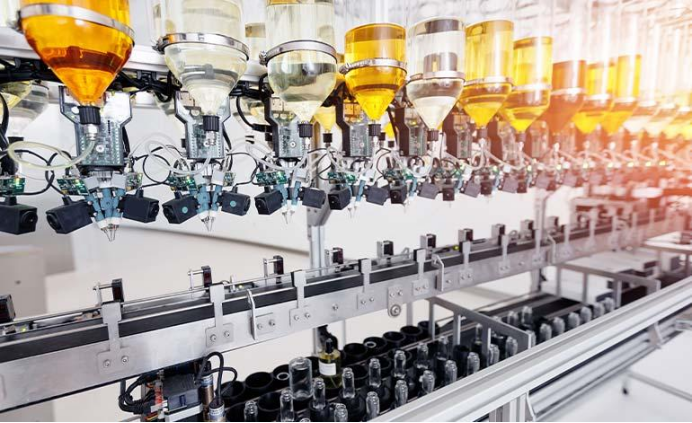
Imagine two suppliers offering the same type of fragrance product.
Supplier A quotes a lower price; Supplier B quotes a slightly higher one.
Many buyers’ first reaction might be: "Obviously, choose A."
But a closer look reveals that the quotes might cover completely different things.
For example: Does the price include standard packaging? Can the bottle be customized? Is there an extra charge for labeling?
Can the scent profile be adjusted? Does the packaging box require a custom mold? How are sample costs calculated?
All these factors affect the final cost. Therefore, what you should really compare is:
The total project cost, not just the price of a single unit.
MOQ: Bigger Isn't Always Better for Initial Orders
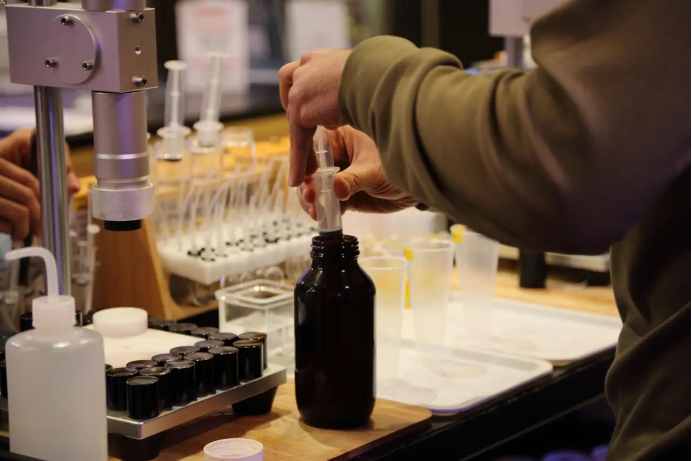
MOQ—Minimum Order Quantity—is a factor that brands often overlook when making their first purchase.
For established brands with stable sales volumes, large-scale production can indeed lower the cost per unit.
However, for new brands, independent online sellers, or companies testing new products, purchasing large amounts of inventory right away can actually increase risk.
After all, you don't yet know: Will consumers like it? Will this scent sell? What will the market feedback be? What will the final sales volume look like?
If you buy too much at once and sales are slower than expected, you could face significant inventory pressure.
That is why, when developing a new product for the first time, a flexible supply chain is often far more important. A reasonable MOQ allows a brand to test the market first and then gradually scale up production based on sales volume.
Packaging costs often constitute a significant portion of the total product cost.
Fragrance products are a category where the visual experience is paramount.
Consumers see more than just the perfume liquid or the candle itself;
they also see the bottle, cap, label, outer carton, gift box, and the overall visual design.
Consequently, a product might appear to have a low unit price, but the final cost can change significantly once custom bottles, unique caps, bespoke labels, and gift boxes are factored in.
When sourcing, it is best to clarify upfront: What does the product price include? Which packaging elements incur extra costs? What are the MOQs for custom packaging? Are there any mold-making or design fees?
Clarifying these details early on helps prevent budget overruns later.
Sampling fees are not a waste of money; they serve to reduce the risks associated with mass production.
Many buyers expect suppliers to provide large quantities of samples for free.
In reality, however, custom fragrance products involve various elements behind the sample:
fragrance development, raw materials, packaging components, labor, filling, and testing.
Custom fragrances, in particular, cannot simply be pulled from a warehouse shelf and shipped to the client.
Adjusting the scent, packaging, or product structure requires an investment in R&D time.
Therefore, when evaluating a supplier, rather than asking, "Is the sample free?"
ask yourself, "Will this sample truly help me finalize the product?"
An effective sampling process allows you to identify issues early, thereby reducing the risk of costly rework after mass production begins.
Lead times: Even a low-priced product can become costly if it misses the sales season.
For brands, time is also a cost factor.
If your new product needs to be ready for events like Christmas, Valentine's Day, Mother's Day, Black Friday, a brand anniversary, or a product launch,
then delivery timing is critical. A supplier might offer a low price, but if their production cycle is too long—causing the product to miss its scheduled launch—your upfront investments in marketing, advertising, and sales planning could all be jeopardized.
When sourcing, you should therefore confirm: How long does sampling take? How soon can production start after sample approval? What is the lead time for the bulk order? Will production capacity be affected during peak seasons?
A reliable supply chain offers more than just reasonable prices; its most important attribute is the ability to deliver according to schedule. Compliance: Look Beyond Product Price for Export Markets
When targeting overseas markets like Europe and the US, compliance is a crucial component of procurement costs that cannot be overlooked.
Different markets may have varying regulatory and documentation requirements for perfumes and fragrance products.
Therefore, it is best to verify the following before purchasing: What documentation is required? Can the supplier facilitate the necessary compliance processes? Do the fragrance ingredients meet the relevant standards? Do packaging labels need adjustment?
Failing to consider these issues early on—only to discover after production that the product cannot enter the target market—can result in losses far exceeding any initial price differences.
The Real Basis for Comparison: A Supplier’s Problem-Solving Capability
For a buyer, a good supplier does more than just say:
"You place the order, and I handle production."
Especially during the development of custom products, clients often encounter various challenges.
In such instances, a supplier’s R&D capabilities, production capacity, and responsiveness become critical.
Ultimately, the true comparison lies in:
Product Price + MOQ + Customization Capabilities + R&D Capabilities + Lead Time + Quality + Compliance + Service
This represents the true value of the supply chain.
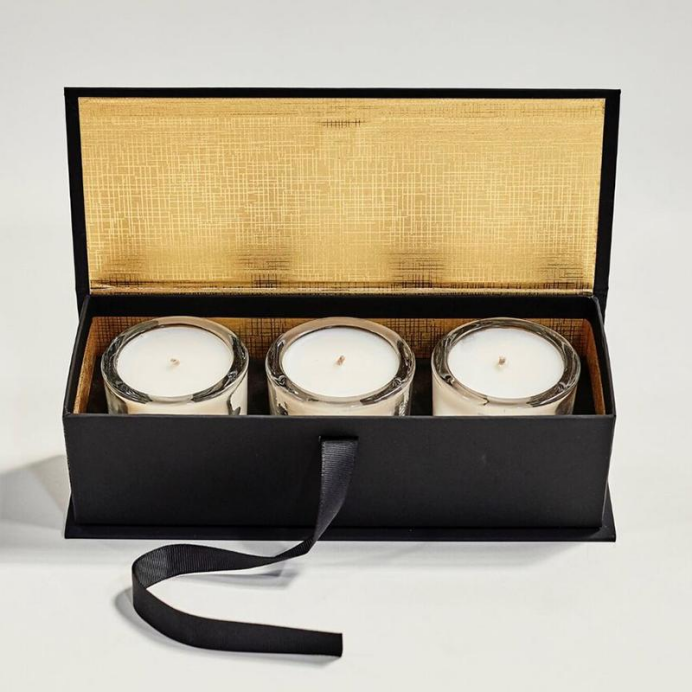
How does BILA help brands develop fragrances for diverse products?
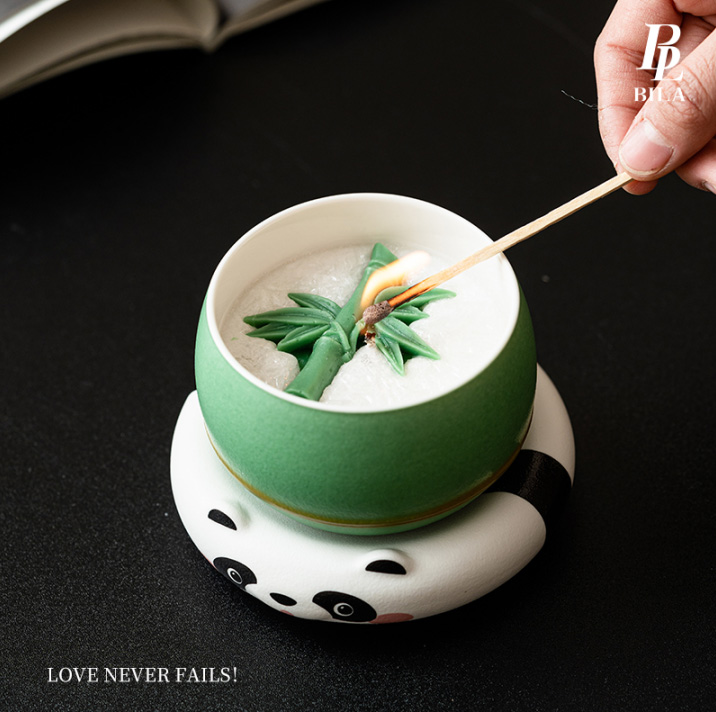
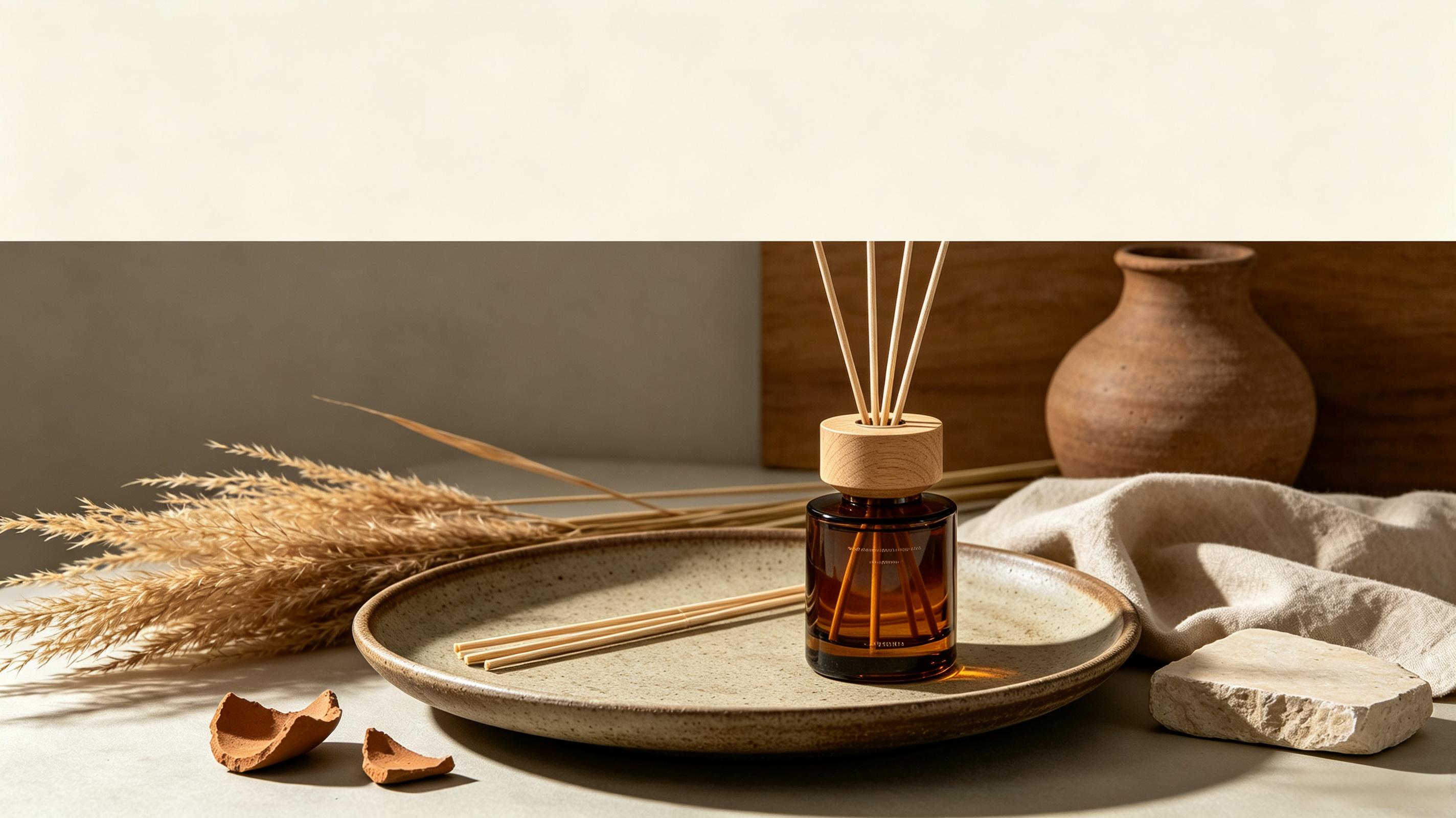
As a manufacturer with over 30 years of experience, we provide global brands with comprehensive, end-to-end customization solutions and flexible, low-MOQ production support for products ranging from scented candles and perfumes to liquid diffusers and smart fragrance devices. We manage the entire process—from fragrance R&D, product design, and custom bottle/packaging creation to compliant production and delivery.
Why global clients choose to partner with us (Our core strengths):
✨ Flexible MOQs: From Customization to Mass Production
We support small-batch orders, helping brands minimize market testing risks and inventory pressure, while also meeting mass production needs to drive market growth.
✨ End-to-End Customization Services
We offer a one-stop service covering everything from fragrance R&D, custom packaging materials, and visual design to customs clearance and shipping that meets global compliance standards.
✨ Empowering Brand Growth with an International Perfumer Team
Our team of international perfumers helps brands accurately capture cutting-edge fragrance trends, enhance market competitiveness, and achieve sustainable growth. ✨ Over 30 Years of Industry Experience & Authoritative EU Certifications
Our products and services reach over 40 countries worldwide, complying with EU regulations and global industry standards such as IFRA, REACH, and CE.
✨ Artistic Fragrance & Eco-conscious Philosophy
We create collectible, heirloom-quality fragrance art that offers multi-functional utility, championing natural, healthy, and plant-based ingredients.
Whether you are a brand owner, retailer, wholesaler, distributor, cross-border e-commerce seller, independent online store operator, corporate client, or trader—and whether you are seeking a reliable supply chain partner or looking to scale up production capacity for existing projects—we stand ready as your solid, dependable supply chain backbone. Contact us today.
FAQ | Common Questions About Sourcing Fragrance Products
Is a lower price always better when sourcing fragrance products?
Not necessarily; one should evaluate the overall cost, considering factors such as the product itself, packaging, MOQ (Minimum Order Quantity), R&D, lead times, quality, and regulatory compliance.
Does a higher MOQ guarantee a lower product price?
While large-scale production often yields economies of scale, an excessively high MOQ can increase inventory risk for brands testing new products.
Why is prototyping necessary for custom fragrance products?
Prototyping allows for the verification of the scent, product, and packaging aesthetics beforehand, minimizing the risk of issues arising during mass production.
Is lead time a critical factor when sourcing fragrance products?
Yes, especially for products tied to specific launch dates, holiday sales, or promotional events; lead times directly impact sales planning.
How do I determine if a fragrance supplier is suitable for a long-term partnership?
Beyond price, consider their R&D capabilities, production capacity, customization expertise, responsiveness, quality consistency, and ability to handle future large-scale production.
Conclusion | A Truly Cost-Effective Supply Chain Helps Brands Avoid Pitfalls
Price is certainly important when sourcing fragrance products.
However, focusing solely on the unit price can lead to overlooking factors that truly drive project costs.
MOQ determines inventory pressure.
Packaging determines the final product cost.
R&D determines whether the product can actually be realized.
Lead time determines whether the product launches on schedule.
Compliance determines whether the product can enter the target market.
A supplier's true value lies in their ability to seamlessly integrate all these stages.
For brands, choosing a supplier is about more than just picking the lowest quote. ...but rather to select a supply chain partner capable of collaborative problem-solving, risk management, and supporting the brand's sustainable growth.
BILA | Providing brands with more stable and flexible fragrance supply chain support—from product development to scaled production.
Text/Photos: BILA
Copyright and Right of Interpretation held by
BILA Biotechnology (Guangzhou) Co., Ltd.

.png)