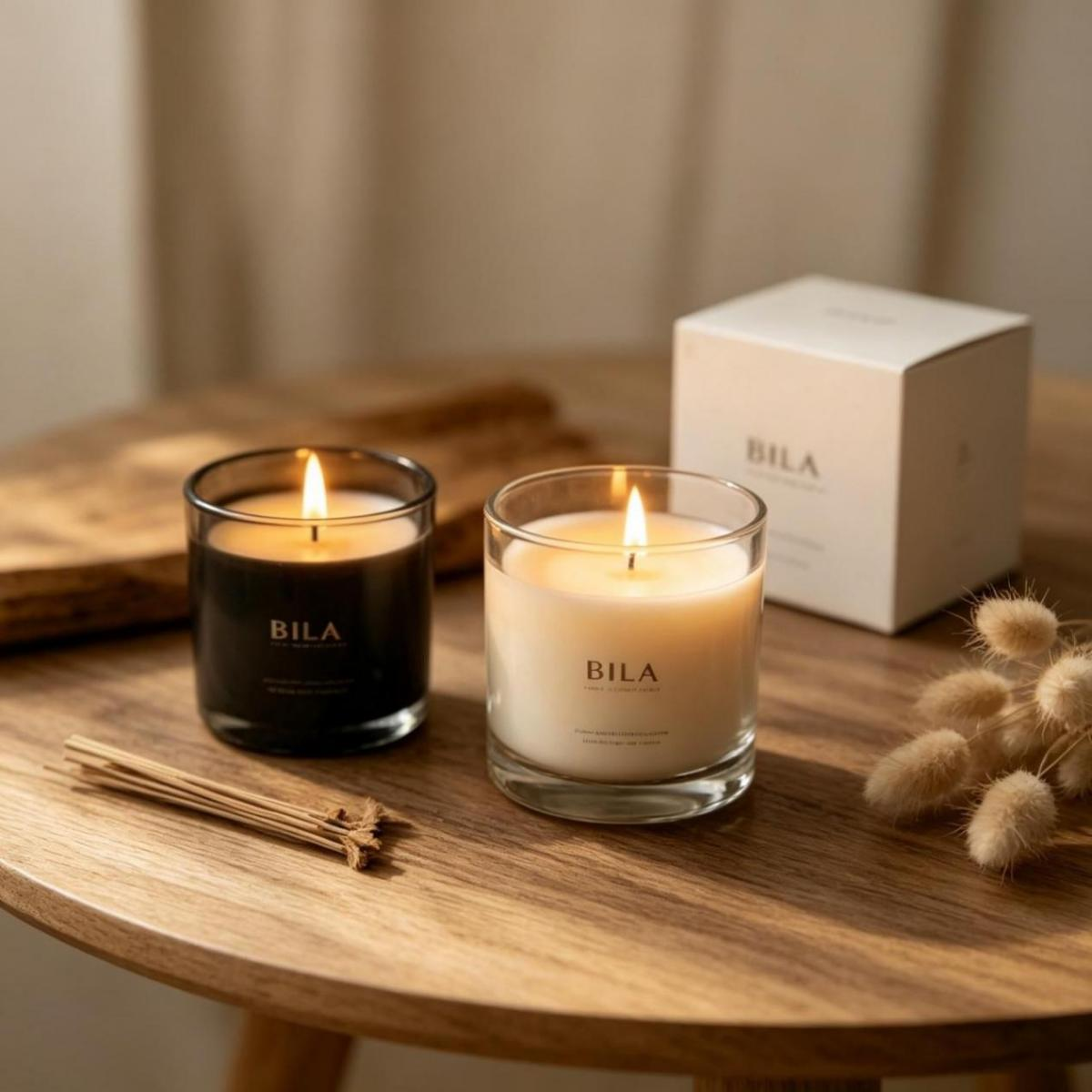
In the past, people’s understanding of fragrance products was relatively straightforward:
Perfume was a consumer product used to enhance one's personal scent;
Scented candles were household items used to improve the aroma of a space;
Liquid diffusers were products designed to keep a space smelling fresh.
They were largely viewed as everyday items serving specific functional needs.
However, an interesting shift has been occurring in the fragrance industry in recent years:
An increasing number of fragrance products are transcending traditional functional boundaries.
They feature unique designs, richer brand narratives, and stronger artistic expression, often serving as decorative pieces or even collectibles within the home.
So, will future fragrance products increasingly resemble consumer goods or works of art?
The answer may well be that outstanding future fragrance products will strike a new balance between consumer value and artistic value.
I. Fragrance remains, first and foremost, a consumer product.
No matter how fragrance products evolve, they must still meet the fundamental needs of consumers.
When consumers purchase a scented candle, a bottle of perfume, or a diffuser, their primary concerns are:
Do I like the scent? Is the product easy to use? Is the quality consistent? Does the price meet expectations?
If a product boasts a beautiful appearance but fails to deliver a satisfying user experience, it will struggle to gain long-term market acceptance.
Therefore, the future development of fragrance products does not mean completely abandoning their nature as consumer goods.
On the contrary, truly successful products must be built upon a solid foundation of quality and functionality.
Take a scented candle, for example: it requires not only an aesthetically pleasing vessel but also careful consideration of wax selection, scent throw, burning performance, and safety.
Similarly, a perfume requires not just unique packaging but also a sophisticated scent structure and consistent quality.
Thus, regardless of innovation, consumer value remains the bedrock of a fragrance brand's development.
II. Why are more fragrance products taking on "artistic attributes"?
As consumers' quality of life improves, their expectations for products are shifting.
In the past, the key question for consumers was: "What function does this product serve?"
Today, however, questions like these are becoming increasingly important:
"Does this product reflect my aesthetic taste?" "Does it add value to my living space?" "Is it unique?" Especially in the home fragrance sector, consumers no longer view scented candles merely as consumables.
Often, they serve multiple roles:
As tabletop decor; as part of spatial aesthetics; as creators of a sense of ritual in daily life; and as expressions of personal taste.
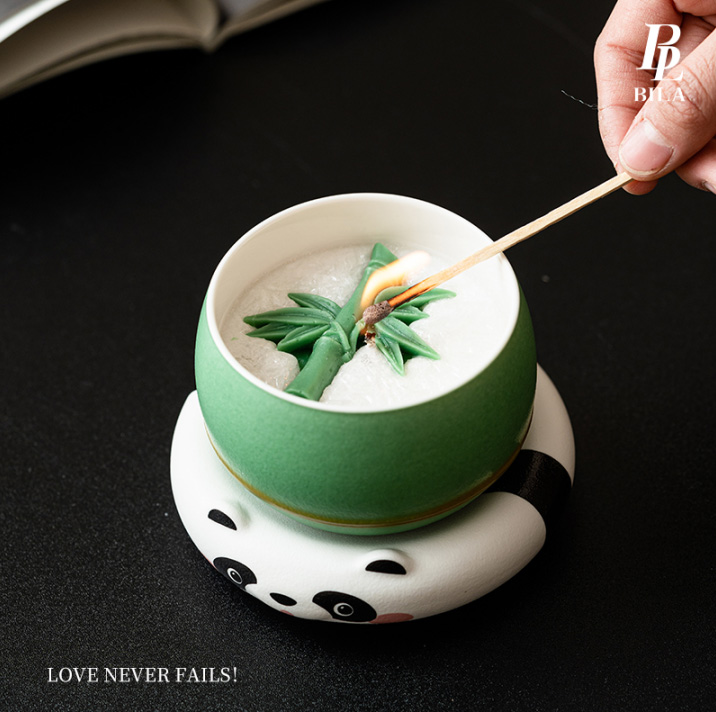
For instance, a handcrafted ceramic fragrance product—even when unlit—can function as an art piece within a space thanks to its unique form.
This explains why, in recent years, an increasing number of brands have begun to focus on:
Materials; craftsmanship; design; cultural elements; and artistic expression.
Fragrance products are gradually evolving from purely functional items into products with significant aesthetic value.
III. Future competition is not an "either-or" choice, but a fusion.
If a brand emphasizes only the consumer-product aspect, it risks falling into a price war.
This is because the market allows for the rapid replication of similar scents, packaging, and product types.
Conversely, emphasizing only the artistic aspect might limit the product's market reach.
Consumers still consider practical factors: Is it useful? Is it worth the price? Is it suitable for daily use?
Therefore, the most competitive fragrance products of the future will not simply choose between being a consumer good or an art piece.
Instead, they will enter the market as consumer goods while establishing differentiation through the value of art.
This requires products to possess a combination of: consistent quality; reasonable pricing; a great user experience; unique design; and a compelling brand story.
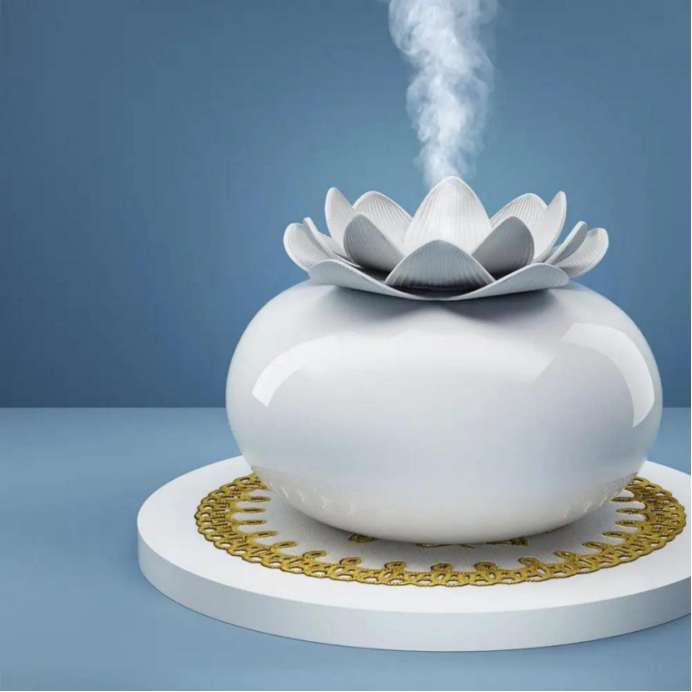
Only when these elements converge can a fragrance product achieve true competitiveness.
IV. What does "artistic fragrance" mean for a brand?
For a brand, cultivating an artistic identity goes beyond merely making the product look beautiful.
What truly matters is establishing a coherent product logic.
For example: Why was this design chosen? Why use these specific materials? What does the scent aim to convey? How does the product relate to the brand's philosophy? What makes it memorable to consumers?
These questions determine whether a product merely has a "unique appearance" or possesses genuine brand value.
Artistic expression can help establish strong differentiation, particularly for brands aiming for a mid-to-high-end market position.
Consider a scented candle:
A standard product might simply be marketed as a "floral-scented candle."
In contrast, a product with artistic attributes might be described as: "Inspired by natural florals, creating an aesthetic spatial experience through the interplay of scent and ceramic craftsmanship."
Ultimately, the value proposition being sold in each case is fundamentally different. V. Future fragrance products will increasingly emphasize "collectible value"
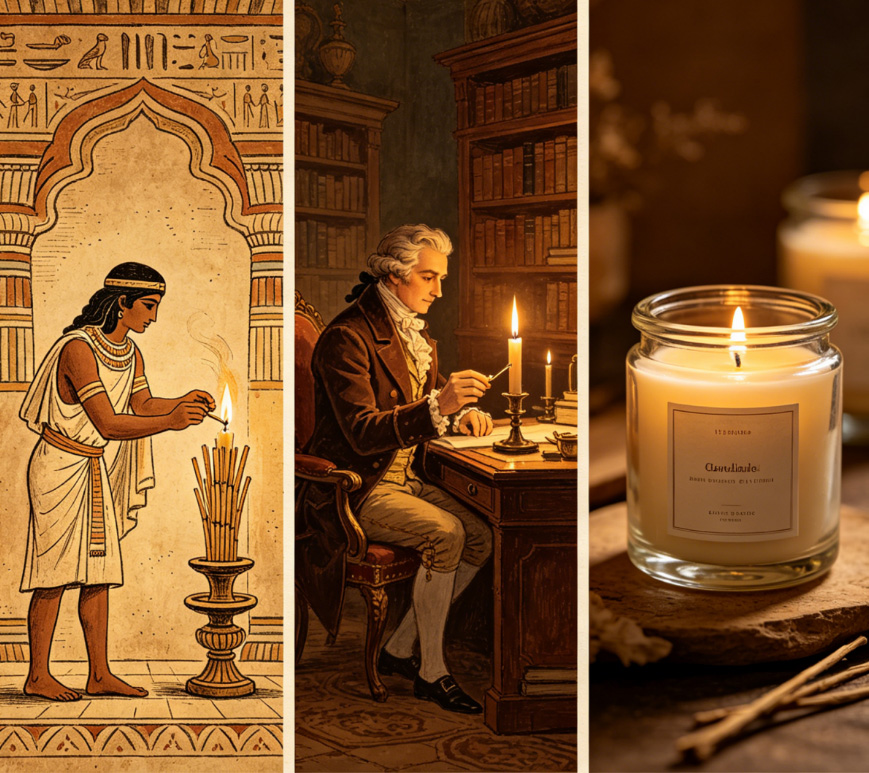
In the past, the lifecycle of most fragrance products ended once the product was used up.
Now, however, some brands are exploring ways to make the product itself an item worth keeping.
Examples include limited-edition designs, artistic collaborations, handcrafted elements, special materials, and unique shapes.
These elements all enhance the product's collectible value.
For high-end consumers in particular, the purchase is not merely of a consumable item, but of a product that reflects their aesthetic taste and fosters an emotional connection.
This explains the growing interest in artistic, ceramic, and handcrafted fragrance products.
VI. This places higher demands on the fragrance supply chain
As fragrance products evolve from ordinary consumer goods into higher-value items, brand requirements for the supply chain shift accordingly.
In the past, a brand might simply need to find a factory capable of manufacturing the product.
In the future, however, the need will be for partners capable of collaborative product development.
This is because artistic fragrance products often involve fragrance R&D, product design, material selection, craftsmanship development,
customized packaging, and quality control.
Take a ceramic fragrance product, for example: one must consider not only the shape and design but also the stability of the ceramic craftsmanship,
the compatibility of fragrance components, and quality consistency during mass production.
This implies that factories need to possess stronger, multifaceted capabilities.
Therefore, when brands seek the best fragrance factories in Guangzhou, China, they should look beyond mere production capacity and price;
they must also consider capabilities regarding product innovation, participation in early-stage development, and the ability to help realize unique product concepts.
VII. Where do opportunities lie for future fragrance brands?
The future market will likely see a proliferation of fragrance brands taking diverse approaches:
some emphasizing natural, eco-friendly qualities; others focusing on artistic design, lifestyle, or individual self-expression.
Regardless of the chosen direction, a core question must be answered: why should consumers choose your product? If the offering is merely a scent, competition will become increasingly fierce.
However, if the product can integrate the fragrance experience, design aesthetics, brand philosophy, lifestyle contexts,
and emotional value,
it stands a chance of building stronger market competitiveness.
Truly outstanding fragrance brands of the future may not simply sell products; they will create lifestyle experiences that consumers cherish and wish to own for the long term.
VIII. The future of fragrance: both a product and an artistic expression
The fragrance industry is not evolving into a sector that transforms consumer goods entirely into works of art. ...but rather about creating new possibilities that bridge the two.
It must satisfy not only the consumer's daily functional needs but also their aspirations for beauty, individuality, and emotional resonance.
In the future, an exceptional fragrance product may simultaneously embody:
the practical value of a consumer good; the aesthetic value of a work of art; and the long-term value of brand equity.
This is a key reason why the fragrance industry is becoming increasingly attractive.
How can BILA help brands?
BILA helps brands integrate fragrance development, artistic design, and manufacturing. We take projects from creative concept to final product, crafting bespoke fragrances that offer both utility and aesthetic appeal.
As a manufacturer with over 30 years of experience, we provide global brands with comprehensive solutions for new product incubation—including flexible production with low minimum order quantities (MOQs). Our product range spans scented candles, perfumes, liquid diffusers, smart scent devices, and more. We manage the entire process: from fragrance R&D, product design, and custom bottle/packaging creation to compliant manufacturing and delivery.
Why global clients choose to partner with us (Our Core Strengths):
✨ Flexible MOQs: From Customization to Mass Production
We support small-batch orders to help brands minimize market testing risks and inventory pressure, while also meeting mass production needs to drive market growth.
✨ End-to-End Customization Services
We offer a one-stop service covering everything from fragrance R&D, custom packaging and visual design to logistics and customs clearance that meet global compliance standards.
✨ Empowering Brand Growth with an International Perfumer Team
Our team of international perfumers helps brands capture cutting-edge fragrance trends, boost market competitiveness, and achieve sustainable growth.
✨ 30+ Years of Industry Experience & EU Certifications
Our products and services reach over 40 countries, complying with EU regulations and global industry standards such as IFRA, REACH, and CE.
✨ Artistic Fragrance & Eco-conscious Philosophy
We create collectible, heirloom-quality artistic fragrances that offer multi-functional utility, while championing natural, healthy, and plant-based ingredients. Whether you are a brand owner, retailer, wholesaler, distributor, cross-border e-commerce seller, independent online merchant, corporate client, or trader—and whether you are seeking a reliable supply chain partner or looking to scale up production capacity for existing projects—we stand ready as your steadfast and dependable supply chain backbone. Contact us today.
FAQ
1. Will future fragrance products evolve into works of art?
They will not entirely replace their nature as consumer goods; instead, they will integrate greater elements of design, aesthetics, and emotional value.
2. Why are artistic fragrances becoming increasingly popular?
Because consumers are purchasing more than just functionality; they want products that reflect their personal aesthetics and lifestyles.
3. How can brands create differentiated fragrance products?
Differentiation can be achieved through various aspects, such as scent development, product design, material selection, and brand storytelling.
4. Why is the involvement of a professional fragrance factory necessary for product development?
Because the journey from concept to mass production requires simultaneously addressing scent profiles, manufacturing techniques, quality standards, and supply chain stability.
Conclusion
Future fragrance products may not simply fall into the category of consumer goods or art; rather, they will create new value by bridging the two.
For brands, the true priority is ensuring that products are not merely used by consumers, but also remembered by them.
At BILA Fragrance Customization Factory, we blend scent with design, aesthetics, and brand philosophy, transforming fragrance into a unique experience that integrates into daily life and expresses individuality.
Text/Photos: BILA
Copyright and Right of Interpretation held by
BILA Biotechnology (Guangzhou) Co., Ltd.


.png)