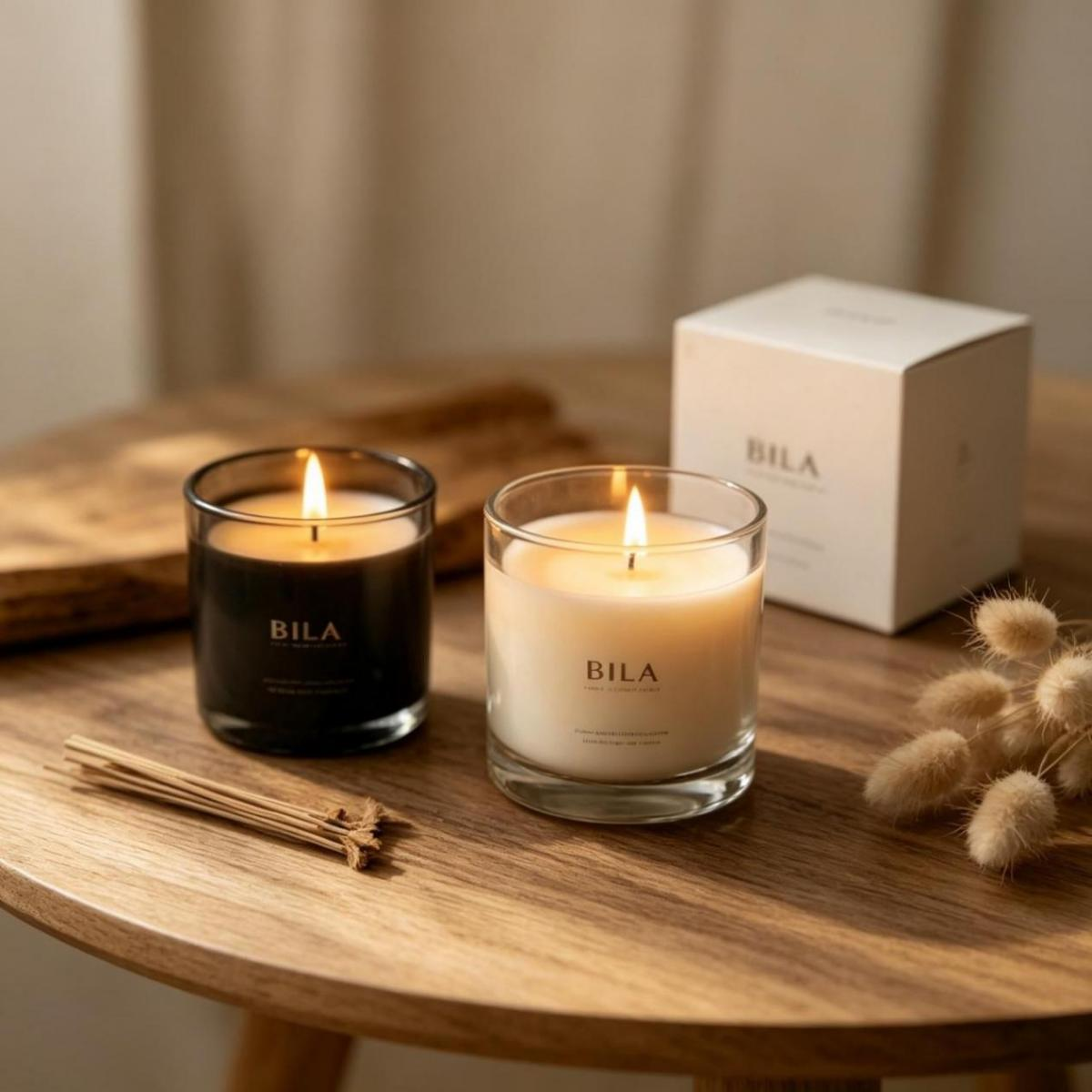
What steps are involved in transforming an idea into a branded fragrance in the hands of the consumer?
Many brands, upon seeing fragrance products on the market, have this thought:
"Couldn't we create our own fragrance product?"
It could be a perfume representing the brand's character, a scented candle suitable for home spaces, or a custom fragrance gift set for clients.
However, transforming an idea into a marketable product is not simply a matter of choosing a scent and starting production.
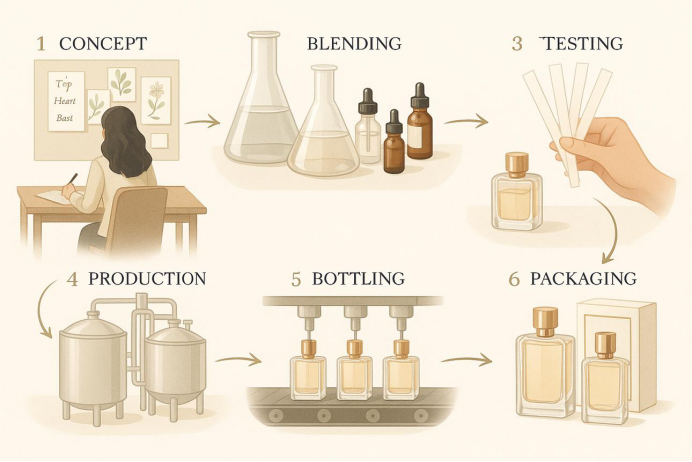
A successful custom fragrance product requires multiple stages:
Market positioning → Fragrance development → Product design → Sample testing → Mass production → Quality inspection → Launch
For brands, choosing a professional fragrance supply chain partner is not just about producing a product.
More importantly:
Helping the brand truly realize an idea.
Step 1: Starting with the brand idea, determining the product direction
The birth of every fragrance product usually originates from an initial idea.
For example:
"We want to develop a perfume suitable for young consumers."
"We want to create a space fragrance with a high-end hotel feel."
"We want to develop exclusive gifts for our company's anniversary celebration."
These requirements seem simple, but in actual development, they need further clarification:
Who are the target consumers? What are the product application scenarios? What brand feeling do we want to convey?
Is it high-end? Natural? Warm? Youthful? Artistic?
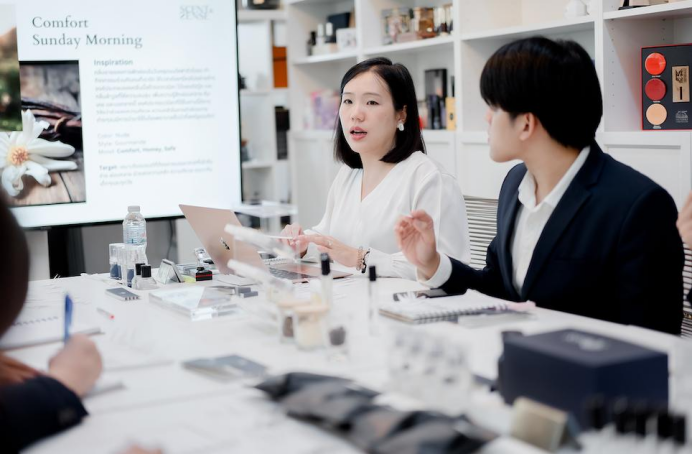
Because fragrance products are not simply selling a scent; they need to align with the brand positioning.
A fragrance suitable for a young, trendy brand might be completely different from the scent needed by a high-end hotel.
Therefore, the first step in development is to help the brand clarify: What does this product want to represent?
The second step: Fragrance design development, giving the brand a unique olfactory expression.
Fragrance is the core of a fragrance product.
But a good fragrance design is not simply choosing a "pleasant" smell.
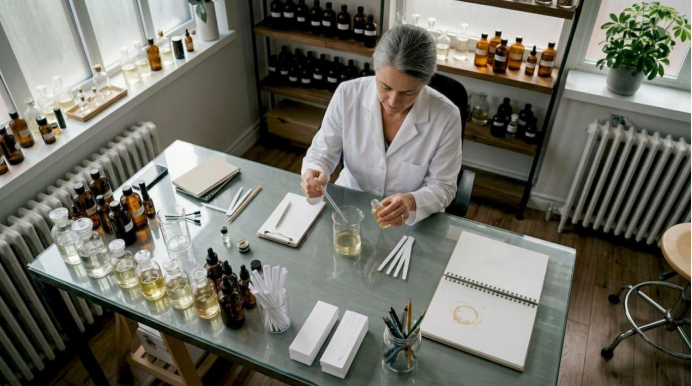
Professional perfumers need to consider:
Consumer preferences: Different markets and age groups have different preferences for fragrances.
Usage scenarios: Personal perfumes, home fragrances, and hotel space fragrances all have different requirements for fragrance performance.
Brand positioning requires that the fragrance align with the brand story and visual identity.
For example: A natural, eco-friendly brand can lean towards botanical, fresh, and woody scents.
A high-end business brand can lean towards sophisticated, elegant, and oriental fragrances.
A younger brand can experiment with more personalized and memorable scents.
Through continuous testing and adjustments, the fragrance that best suits the brand's needs can be found.
Step Three: From Fragrance to Product – Choosing the Appropriate Presentation Method
The same fragrance can be expressed through different product formats.
For example: Perfume emphasizes personal style and daily use experience.
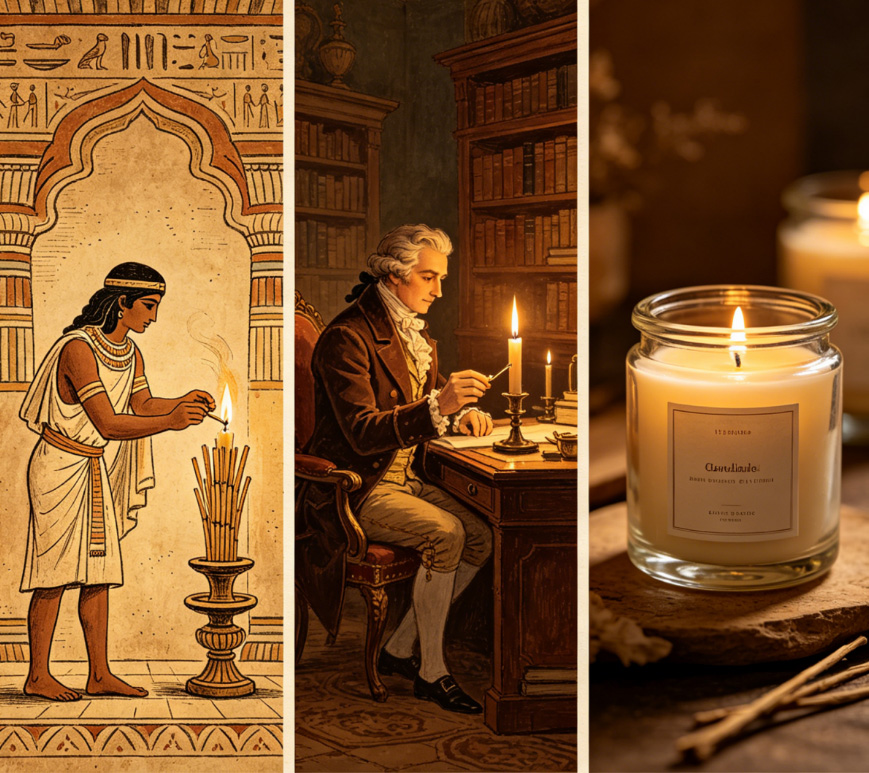
Scented candles create a sense of ritual in the home.
Flameless diffusers are suitable for maintaining a pleasant fragrance in a space for an extended period.
Smart diffusers are suitable for hotels, stores, and commercial spaces.
Fragrance gift sets are suitable as corporate gifts and brand event products.
Different products have different requirements for formula, concentration, packaging, and manufacturing processes.
Therefore, professional suppliers not only need to understand fragrances but also the characteristics of different products.
Step 4: Product Design – Creating a Complete Brand Experience for Fragrances
When consumers buy fragrance products, they see more than just the scent.
They also see: the bottle itself, the cap, the label, the packaging box, and the gift box design.
These visual elements collectively determine the consumer's first impression of the product.
Therefore, a complete customized fragrance project typically needs to consider:
Product specifications: different sizes such as 30ml, 50ml, and 100ml.
Packaging formats: standard packaging, high-end gift boxes, and brand-limited packaging.
Visual consistency: ensuring the product aligns with the brand image.
Good product design can transform a fragrance from an ordinary commodity into a product with brand value.
Step 5: Sample Testing – Reducing Mass Production Risks
Sample confirmation is a crucial step before formal production.
Because the actual effect may differ from the initial vision.
The brand needs to confirm: Does the scent meet expectations? Does the product appearance meet requirements? Does the packaging effect align with the brand positioning? Is the user experience satisfactory? Sample testing allows for timely identification and adjustment of issues. Compared to mass production, pre-confirmation of samples helps brands: reduce inventory risk, decrease rework costs, and increase product success rates.
Step Six: From Sample to Mass Production – A Stable Supply Chain is Essential
Only after sample confirmation will the product enter the formal production stage.
This process includes: raw material procurement, formula confirmation, product filling, packaging assembly, quality inspection, finished product packaging, and logistics delivery.
For brands, the truly important thing is not just "whether production is possible."
It's: whether production can be stable, whether delivery can be on time, and whether consistent quality can be guaranteed for each batch.
Especially for brands selling in overseas markets, a stable supply chain is the foundation for long-term development.
Why do brands need professional suppliers when developing fragrance products?
Many brands, when developing fragrance products for the first time, think:
"Just find a factory to produce it." However, a complete fragrance project involves: market analysis, fragrance development, product design, packaging material selection, production management, quality control, and export compliance.
Without experience, brands may encounter problems such as: product performance not meeting expectations, packaging unable to be mass-produced, uncontrollable delivery times, and costs exceeding budget.
Therefore, an excellent supply chain partner is not just a manufacturer.
but should also be a partner throughout the brand development process.
From an idea to a truly launched product, a successful fragrance product involves more than just a simple production process.
It integrates: brand philosophy, consumer needs, perfumery artistry, product design, manufacturing capabilities, and supply chain management, ultimately presenting consumers with a complete brand experience.
For brands, finding the right partner can make product development smoother and help them enter the market faster.
How does BILA help brands develop fragrances for different products?
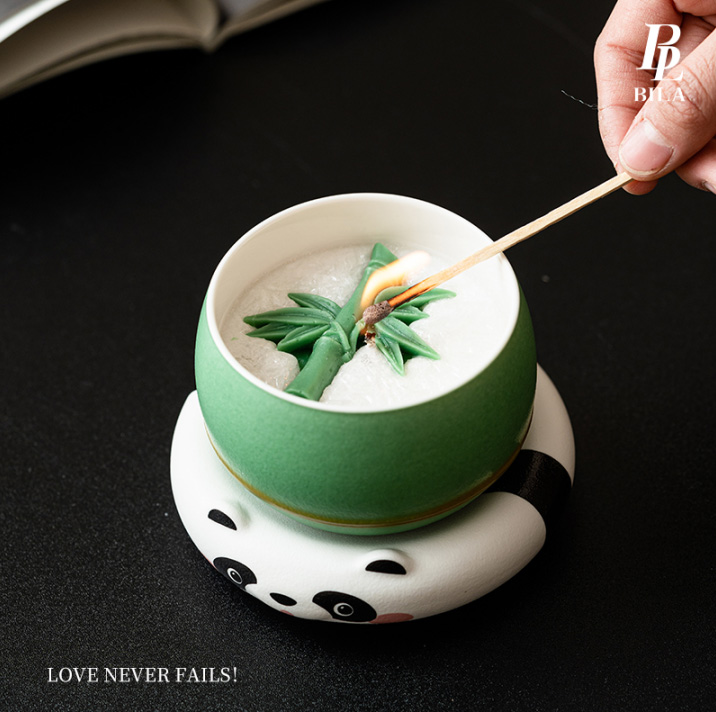
We are not only a source factory with over 30 years of experience, but also provide global brands with complete customized implementation solutions and flexible production support with low minimum order quantities for new product incubation. Our products cover multiple categories including scented candles, perfumes, liquid fragrances, and smart diffusers. We handle the entire process from fragrance development, product design, bottle and packaging customization to compliant production and delivery.
Reasons Global Clients Choose to Partner with Us (Our Core Advantages):
✨ Flexible M0Q from Customization to Mass Production
We support small-batch orders, helping brands minimize market testing risks and inventory pressure; simultaneously, we meet the needs of mass production, helping clients increase market share.
✨ Customized End-to-End Service
From fragrance development, packaging customization, and visual design to customs clearance and transportation that meet global compliance requirements, we provide a one-stop service.
✨ International Perfumer Team Empowering Brand Growth
Our international perfumer team helps brands accurately capture cutting-edge fragrance trends, enhance market competitiveness, and achieve sustainable growth.
✨ Over 30 Years of Industry Experience and EU Certification
Our products and services cover more than 40 countries worldwide, complying with EU regulations and global industry standards such as IFRAA, REACH, and CE.
✨ Artistic Fragrances and Environmental Protection Concept
We create collectible and heirloom-worthy artistic fragrances, achieving multi-functional practicality, advocating pure plant ingredients, and promoting natural and healthy products.
Whether you are a brand owner, retailer, wholesaler, distributor, cross-border e-commerce seller, independent website seller, enterprise customization client, or trading company, looking for a reliable supply chain partner or upgrading the capacity of existing projects, we will be your most solid and reliable supply chain support. Contact me now!
FAQ|Common Questions about Custom Fragrance Product Development
How long does it take to develop a custom fragrance product?
The time depends on the product type, the complexity of the fragrance development, and the number of sample adjustments.
Can a brand develop perfumes and home fragrances simultaneously?
Yes, depending on the brand's plan, multiple different types of fragrance products can be developed.
Does the first product development require large-scale procurement?
Not necessarily. The appropriate production quantity can be selected based on market testing needs.
Can the supplier help with packaging design?
Yes, depending on project requirements, we can provide product and packaging customization support.
Can BILA handle everything from R&D to production?
Yes, BILA provides a one-stop service from fragrance R&D, product design, packaging customization to production and delivery.
Conclusion|Every successful product begins with a good idea
From a brand idea to a product in the consumer's hands.
Countless details need to be refined along the way.
Scent evokes emotion.
Design determines the experience.
The supply chain determines whether a product can be successfully launched.
For brands, choosing a professional fragrance partner means avoiding many pitfalls in product development.
BILA | From concept to market, helping brands create their own unique fragrance products.
Text/Photos: BILA
Copyright and Right of Interpretation held by
BILA Biotechnology (Guangzhou) Co., Ltd.
.png)