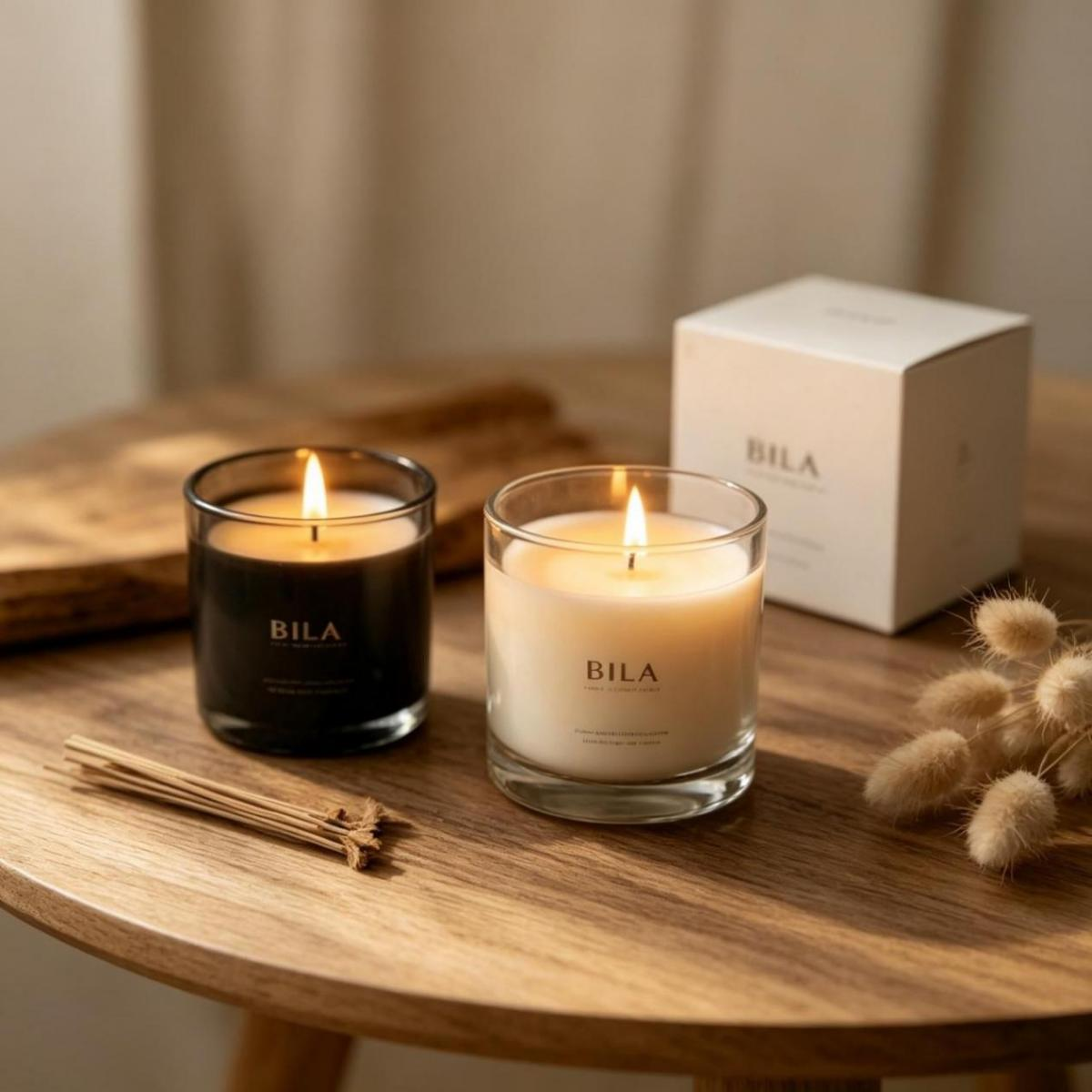
From idea to market product, why do some new fragrance products ultimately fail to meet expectations?
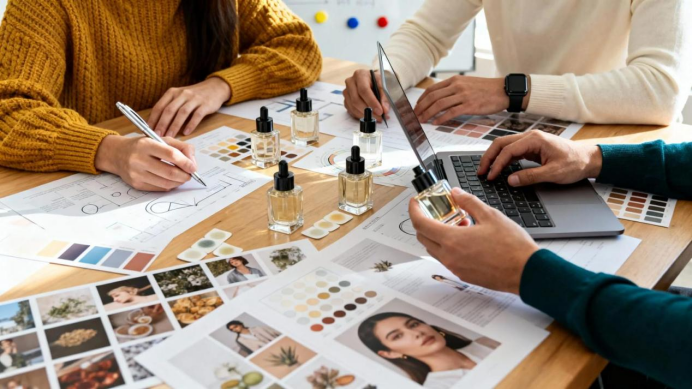
In recent years, more and more brands have entered the fragrance market.

Whether it's beauty brands, home furnishing brands, cross-border e-commerce brands, or corporate gift companies, they all hope to expand new growth opportunities through fragrance products.
Many companies invest a lot of energy in developing new products: finding popular scents, designing beautiful packaging, selecting high-end materials, and planning marketing and promotion.
However, after the product is actually launched, they find that: sales do not meet expectations, consumer feedback is mediocre, repurchase rates are low, and even inventory pressure arises.
Why? Because a successful fragrance product is not just: "Making a nice smell."
It needs to simultaneously satisfy: consumer needs, market positioning, product experience, supply chain capabilities, and brand expression.
Today, we will analyze the 5 issues that brands most easily overlook when developing new fragrance products.
Problem 1: Focusing Only on "Smells Good," Ignoring Consumer Needs
Many brands, when developing fragrance products, often start with, "Let's choose a scent we like."
However, a brand's preferred scent may not be the same as a consumer's, as different markets and consumers have vastly different fragrance needs.
For example: Younger consumers might prefer: fresh, distinctive, and memorable scents.
High-end consumers might prioritize: sophistication, luxury, and uniqueness.
Hotels and commercial spaces place greater emphasis on: comfort, naturalness, and long-term user experience.
Therefore, before developing fragrance products, it's crucial to clarify: Who is the product serving? Only by understanding the target consumer can you develop truly marketable scents.
Problem 2: Unclear Product Positioning, Not Knowing Who to Sell To
Many new products fail not because of poor quality,
but because of unclear positioning.
For example: A brand wants to create "high-end fragrances," but fails to consider: Who are the target customers? What is the price range? What are the usage scenarios? What are the competitive advantages? Why should consumers choose you?
If product positioning is unclear, the following problems can easily arise:
The product price is too high, but consumers don't perceive its value.
The product design is beautiful, but lacks brand memorability.
The scent is nice, but fails to differentiate it.
Truly successful fragrance products need to define the following from the initial development stage:
Who am I? Which type of consumer do I want to serve? What experience do I want to provide?
Problem 3: Focusing only on appearance while neglecting the product experience itself
In the fragrance industry, visual design is crucial.
Exquisite bottles, high-end packaging, and unique shapes all influence consumer purchasing decisions.
However: Appearance is only the first step. What truly determines whether consumers stay is the product experience.
For example:
Perfume: Is the scent longevity satisfactory? Is the spraying experience comfortable? Does the fragrance development have layers?
Scented candles: Is the burning stable? Is the diffusion natural? Is the usage process comfortable?
Flameless diffusers: Is the evaporation even? Does the duration meet expectations?
A good fragrance product needs to: attract consumers at first glance, leave a good impression after use, and ultimately lead to repeat purchases.
Question 4: Skipping the Testing Phase and Directly Initiating Mass Production
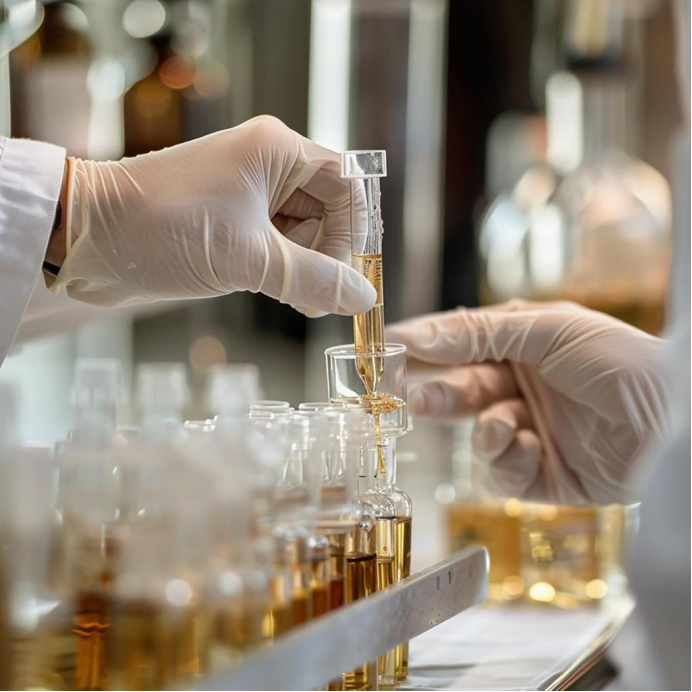
Many brands aim for rapid market launch and therefore reduce testing.
However, for new products, sample testing is crucial.
Before formal production, it's essential to confirm: whether the fragrance meets expectations, whether the product's effects are stable, whether the packaging meets requirements, whether the cost is reasonable, and whether market feedback is positive.
If mass production proceeds without sufficient testing,
adjustments may be necessary, potentially leading to: inventory buildup, production rework, and additional costs.
Therefore, established brands typically employ a strategy of: small-batch testing, consumer feedback, continuous optimization, and then gradually scaling up production.
Question 5: Focusing Solely on Price When Choosing Suppliers
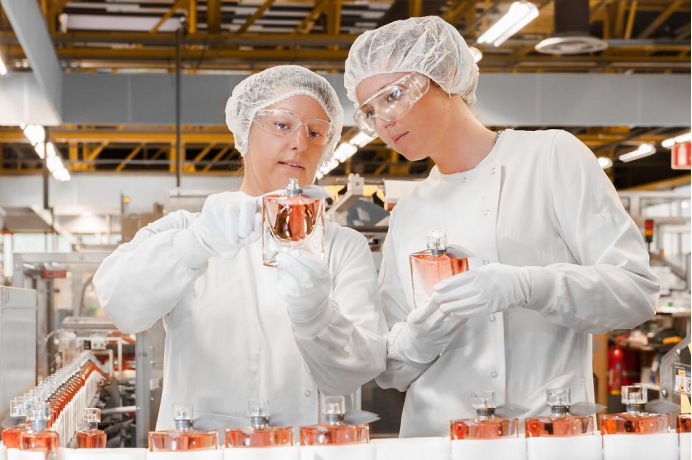
Many brands prioritize "price" when selecting suppliers. While cost is important, supplier capabilities are equally crucial for fragrance products.
Focusing solely on low prices may result in: inconsistent product quality, batch-to-batch fragrance variations, unreliable delivery times, insufficient customization capabilities, and a lack of market experience.
A reliable fragrance supplier should not only provide production.
We should help brands solve problems related to product development, process optimization, cost control, quality management, and long-term supply.
Because what brands truly need is not a batch of goods, but a stable product implementation plan.
How to avoid failure in new fragrance product development?
To create a successful fragrance product, consider the following steps:
Step 1: Define your brand positioning, target consumers, and product direction.
Step 2: Develop professional fragrance profiles, combining market trends and consumer needs.
Step 3: Conduct sample testing and continuously optimize the product experience.
Step 4: Choose a suitable supply chain to ensure stable production.
Step 5: Continuously collect market feedback and upgrade based on consumer needs.
A good product is not completed in one go, but grows through continuous optimization.
From a product idea to a true bestseller, professional experience is required.
The fragrance industry may seem simple, but from concept to market, it involves: fragrance research and development, product design, packaging development, production management, quality control, and market positioning.
Each step can affect the final result.
For brands, finding an experienced supply chain partner can help reduce trial and error and increase the probability of success.
How does BILA help brands develop fragrances for different products?
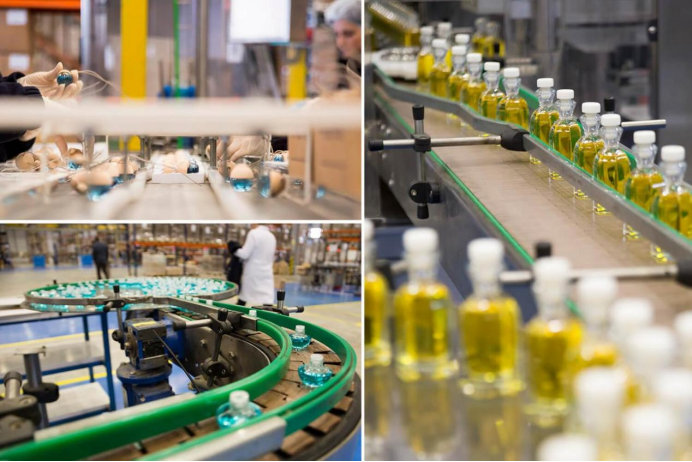
We are not only a source factory with over 30 years of experience, but also provide global brands with complete customized solutions and flexible production support with low minimum order quantities for new product incubation. Our products cover multiple categories including scented candles, perfumes, liquid fragrances, and smart diffusers. We handle the entire process from fragrance development, product design, bottle and packaging customization to compliant production and delivery.
Reasons why global clients choose to partner with us (our core advantages):
✨ Flexible M0Q from Customization to Mass Production
We support small-batch orders, helping brands minimize market testing risks and inventory pressure; at the same time, we meet the needs of mass production, helping clients increase market share.
✨ Customized End-to-End Service
From fragrance development, packaging material and customization, and visual design to customs clearance and transportation that meet global compliance requirements, we provide a one-stop service.
✨ International Perfumer Team Empowers Brand Growth
Our international perfumer team helps brands accurately capture cutting-edge fragrance trends, enhance market competitiveness, and achieve sustainable growth.
✨ Over 30 Years of Industry Experience and EU Certification
Our products and services cover more than 40 countries worldwide, complying with EU regulations and global industry standards such as IFRAA, REACH, and CE.
✨ Artistic Fragrances and Environmental Protection Concept
We create collectible and heirloom-worthy artistic fragrances, achieving multi-functionality and advocating pure plant-based ingredients for natural health.
Whether you are a brand owner, retailer, wholesaler, distributor, cross-border e-commerce seller, independent website seller, corporate client, or trading company, looking for a reliable supply chain partner or upgrading the capacity of existing projects, we will be your most stable and reliable supply chain support. Contact us now.
FAQ|Common Issues in New Fragrance Product Development
Why do some fragrance products not sell well?
This is usually related to product positioning, consumer needs, product experience, and marketing.
Is prototyping always necessary for new product development?
Sample testing is recommended to reduce risks after formal production.
Does a more unique scent increase the chances of success?
Not necessarily. It needs to be tailored to the target consumer and market demand.
Can a brand without fragrance experience develop its own products?
Yes, with support from professional suppliers, development difficulties can be reduced.
What's most important to consider when choosing a fragrance supplier?
Besides price, you also need to pay attention to R&D capabilities, production capacity, quality control, and long-term cooperation capabilities.
Conclusion | Successful fragrance products are not just about manufacturing, but also about proper crafting.
A successful fragrance product is never accidental.
It requires: correct market positioning, professional product development, stable supply chain support, and continuous optimization and adjustment.
For brands, the key to developing new products is not just "making a product."
It's about creating a brand experience that consumers are willing to choose, use, and repurchase.
BILA Fragrance Customization Factory | Helping global brands reduce the risks of fragrance product development, allowing every idea to reach the market more steadily.
Text/Photos: BILA
Copyright and Right of Interpretation held by
BILA Biotechnology (Guangzhou) Co., Ltd.
.png)