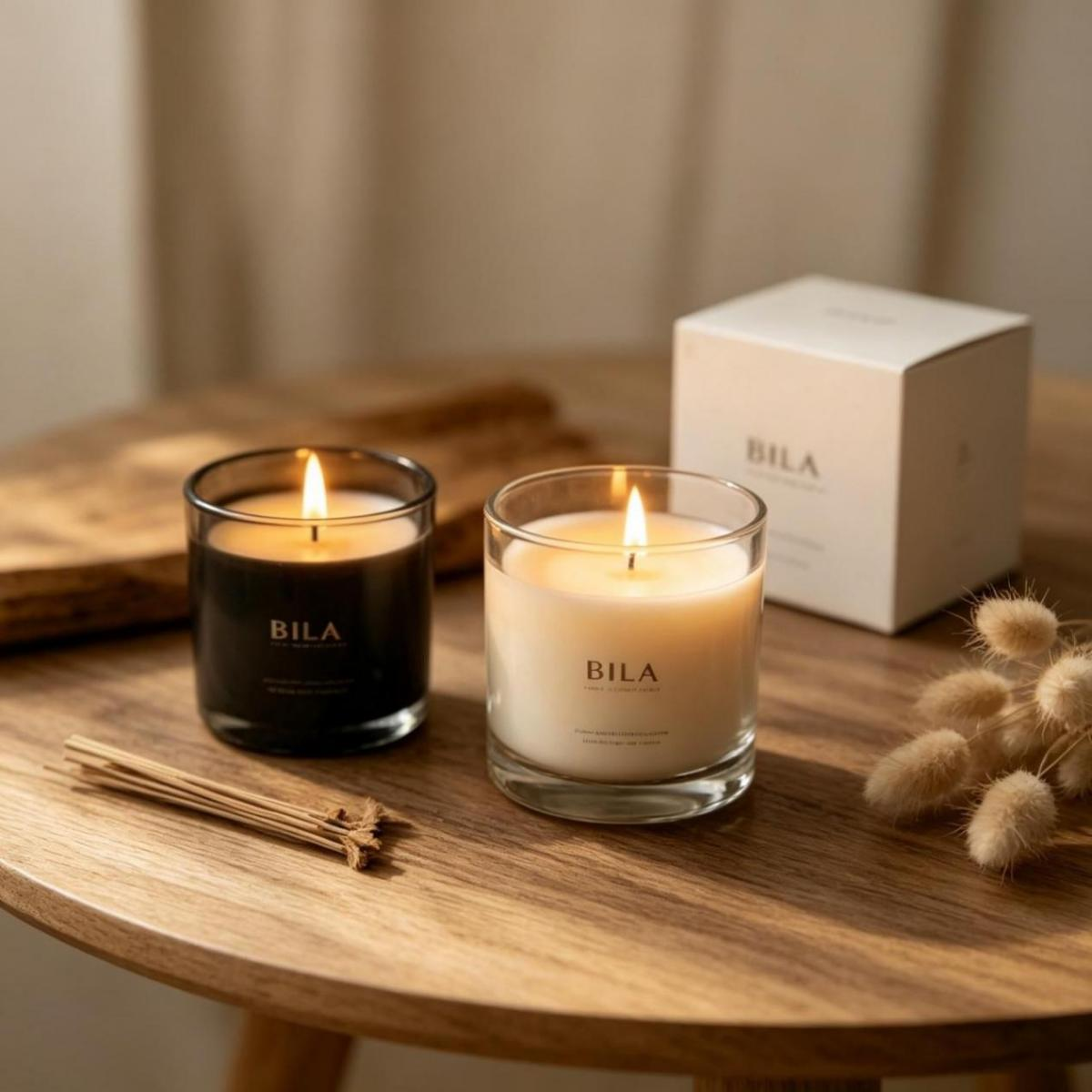
How can brands mitigate new product development risks through flexible MOQs?
The End-to-End Process of New Fragrance Product Development: From Concept to Mass Production
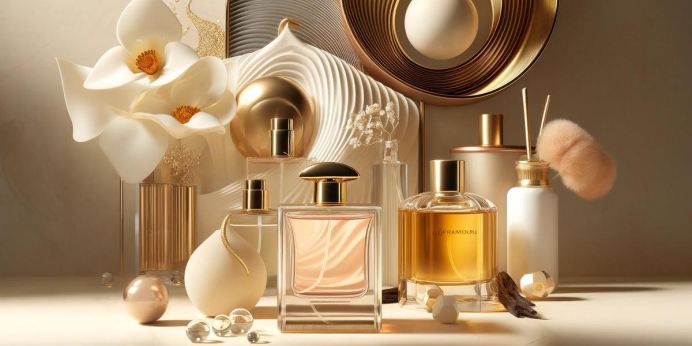
For a fragrance brand, the journey of a new product from initial concept to market launch involves multiple stages.
From the initial product concept and fragrance design to the development of the bottle, packaging, and samples, and finally to full-scale production and sales, every step influences the product's ultimate performance.
For brands developing new product lines, the real challenge is not simply "how to manufacture a large volume of products at once," but rather:
How can a brand validate the market quickly while controlling upfront investment, and then scale up production once the product gains acceptance?
Consequently, an increasing number of brands are turning to more flexible OEM/ODM development models.
I. How does a new fragrance product go from concept to reality?
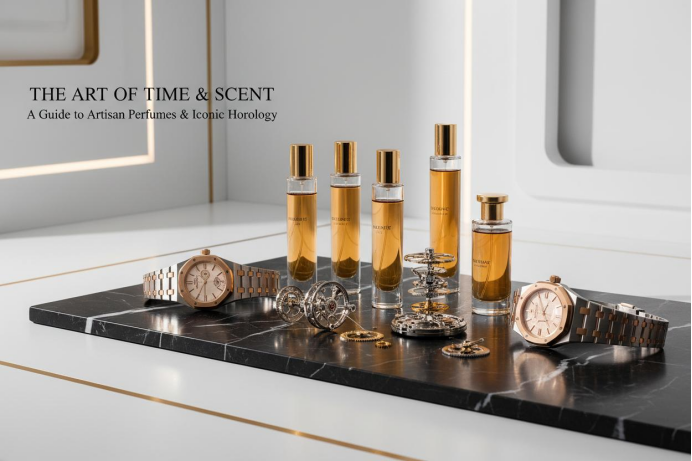
The complete development process for a new fragrance product typically includes:
Product Positioning → Fragrance R&D → Product Design → Packaging Development → Sample Approval → Small-Batch Production → Market Testing → Mass Production
While development processes may vary by brand, a professional manufacturing partner should be capable of participating in multiple stages of this process, rather than merely handling the final production phase.
This represents a key distinction between the OEM model and traditional manufacturing approaches.
II. Step One: Defining Brand Positioning and Product Direction
The first step in new product development is not selecting a bottle, but determining: "Who is this product designed for?"
Brands must consider: target consumers, sales markets, price positioning, usage scenarios, and overall brand style.
For instance, regarding a perfume: a high-end brand might emphasize sophistication, artistry, and unique scents; a brand targeting younger consumers might focus on individuality, trends, and social media appeal; while a home fragrance brand might prioritize spatial ambiance, lifestyle, and emotional experience.
Only with clear product positioning can the subsequent fragrance, packaging, and product designs remain consistent.
III. Step Two: Fragrance R&D and Product Design
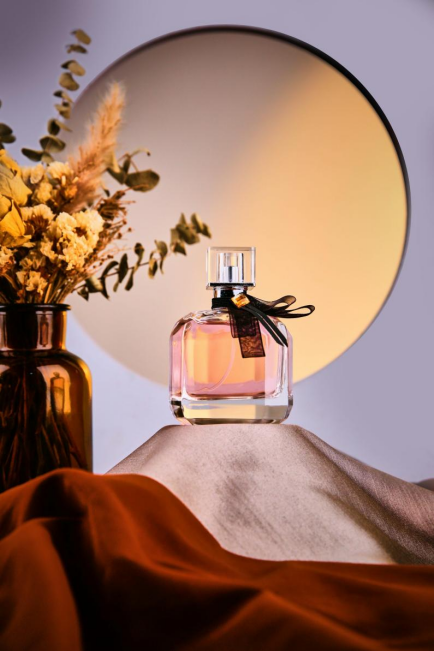
Scent is the core of any fragrance product.
If a brand does not possess its own fragrance formulas, it can collaborate with a team of professional perfumers to develop exclusive scents tailored to the brand's positioning. The R&D process may involve:
Scent profile/direction;
Raw material selection;
Fragrance testing;
Longevity/performance;
Scent adjustments;
Final formula confirmation.
At the same time, the product format must be determined—for example:
Perfume, scented candles, liquid diffusers, car air fresheners, reed diffusers, etc.
An experienced manufacturing partner can help the brand match the scent profile with the appropriate product format.
IV. Step 3: Product Container and Packaging Development
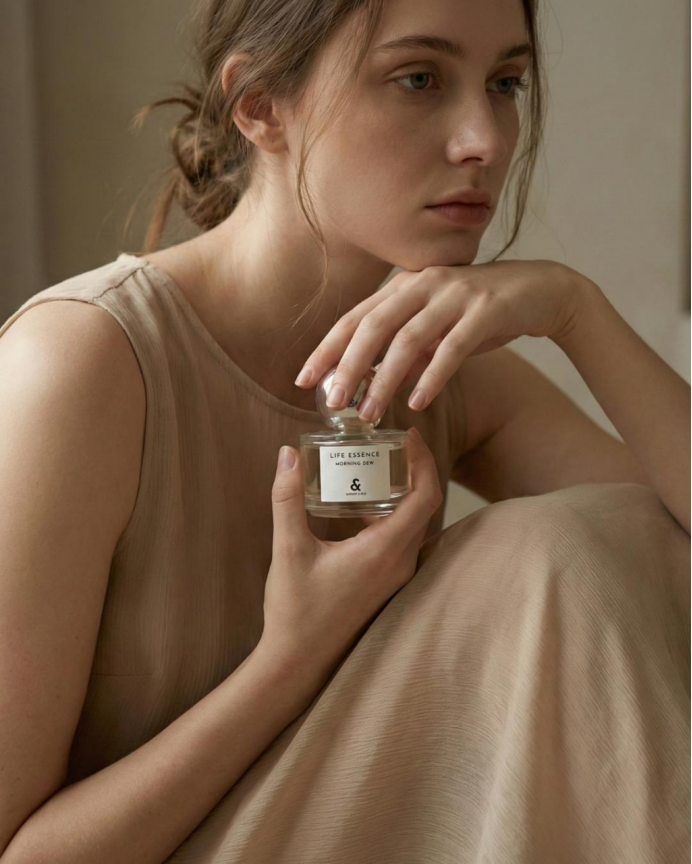
The product's appearance creates the consumer's first impression of the brand.
Brands can choose between options based on their positioning: using an existing bottle shape with a custom logo, or developing a proprietary bottle shape with custom packaging.
Further customization options include the bottle body, cap, label, outer box, gift box, internal tray, and logo application techniques.
For brands in the new product testing phase, developing a completely unique bottle shape and mold from the very beginning is not always necessary.
Opting for an existing product structure and applying brand-specific customization allows new products to reach the market faster.
Upgrading packaging and structure after the product has gained market acceptance is another flexible development approach.
V. Step 4: Sample Development and Confirmation
Sample confirmation is a crucial step prior to full-scale production.
Brands typically need to verify: the scent, product appearance, volume, packaging, labeling, and user experience.
The goal at this stage is not necessarily to achieve "absolute perfection" immediately, but to refine the final product so it aligns better with the brand's positioning through testing and adjustments.
A manufacturer with R&D capabilities can help the brand quickly make product adjustments during this phase.
VI. Step 5: Why is a flexible MOQ needed during the new product development phase?
7
For new product lines, the greatest risk often stems from:
Accumulating inventory before the market has validated the product.
If a brand proceeds directly to mass production before launch, and market feedback falls short of expectations, it may face issues such as excess inventory, tied-up capital, difficulty in making product adjustments, and wasted packaging stock.
Therefore, a flexible Minimum Order Quantity (MOQ) is particularly important for brands launching new products.
Brands can adopt an approach of: small-batch production → market testing → gathering feedback → product optimization → scaling up production.
This transforms new product development from a "one-time, large-scale investment" into a more flexible validation process. VII. Step 6: Scale Up Production After Market Validation
Once a product gains market acceptance, the brand can gradually increase order volumes.
This involves testing the market with small batches, adjusting the product based on sales data, scaling up production, and developing new product lines.
This model is particularly suitable for: startups, direct-to-consumer (DTC) brands, cross-border e-commerce brands, new product pilot projects, and brands targeting overseas channels.
Brands avoid the burden of excessive inventory pressure at the outset, instead expanding production in line with market performance.
VIII. Why Does One-Stop OEM/ODM Improve New Product Development Efficiency?
When developing new products, brands often have to source suppliers separately for fragrances, candles, packaging, and gift boxes.
Dealing with multiple suppliers entails more communication and coordination, leading to potential issues: the fragrance is finalized but the bottle isn't; the bottle is confirmed but the packaging dimensions don't match; the product is ready but the gift box hasn't been produced yet.
These issues can delay the product's time-to-market.
In contrast, a one-stop OEM/ODM manufacturer integrates these various stages.
By handling everything from fragrance R&D and product design to packaging development, production, quality control, and delivery, they help brands reduce supply chain coordination costs.
IX. How Does BILA Help Brands with New Product Development?
As a professional fragrance manufacturer, BILA offers one-stop fragrance customization services covering a wide range of products, including scented candles, perfumes, liquid diffusers, reed diffusers, and smart diffusers.
We manage the entire process, from fragrance R&D, product design, and custom bottle/packaging development to compliant production and delivery.
We support small-batch testing to help brands launch quickly, while also providing scalable production solutions to meet the needs of growing brands.
From initial concept to finished product, we provide comprehensive support across R&D, design, production, and delivery.
We continuously develop differentiated fragrance products to help brands build market competitiveness and achieve sustained growth.
Whether you are a DTC seller, a cross-border e-commerce business, a corporate client, an emerging fragrance brand, or a wholesale trader, we provide stable, efficient, and flexible supply chain support.
FAQ
1. What are the steps involved in developing a new fragrance product?
Typically, the process includes: product positioning → fragrance R&D → product design → packaging development → sample approval → small-batch production → market testing → scaled-up production. 2. Can new brands start with small-batch production?
Yes. For brands developing new products for the first time, flexible MOQs (Minimum Order Quantities) help mitigate upfront inventory risks.
Testing the market with small-batch production before scaling up orders based on sales performance is a more prudent approach to new product development.
3. Can products be developed without an existing fragrance formula?
Yes. A team of professional perfumers can help develop exclusive fragrances tailored to the brand's positioning, target market, and consumer needs.
4. Can BILA develop multiple fragrance product categories simultaneously?
Yes. BILA supports the development of a wide range of categories, including perfumes, scented candles, liquid diffusers, car air fresheners, smart diffusers, and fragrance gift sets.
5. Does BILA offer comprehensive customization services?
BILA provides a one-stop fragrance customization service covering everything from fragrance R&D, product design, and packaging development to sample approval, flexible-MOQ production, quality control, and global delivery.
Conclusion
The key to the true success of a new fragrance product lies not in the initial production volume, but in:
The ability to develop quickly, test effectively, and continuously optimize based on market feedback.
For brands, flexible MOQs mean more than just lower starting order requirements; they also signify:
Reduced risk when testing new products, greater flexibility in market validation, and a more controllable pace of brand growth.
BILA aims to be a reliable, long-term supply chain partner for brands—supporting them from their very first product through to future large-scale production.
From concept to product to brand, we help global fragrance brands enter the market with greater stability and confidence.
Text/Photos: BILA
Copyright and Right of Interpretation held by
BILA Biotechnology (Guangzhou) Co., Ltd.
.png)