When many brands spot opportunities in the fragrance market, their initial reaction is often: "Let's make a fragrance product, too."
However, once development begins, they realize that choices must be made at every stage—from the scent profile and product format to packaging, volume, pricing, and the target consumer.
Should you make scented candles or liquid diffusers?
Should you target the high-end market or the mass market?
Should you launch a single product first, or roll out an entire collection?
If these questions aren't answered beforehand, the development process can easily become bogged down in constant revisions, or—worse—result in a finished product with no clear target audience.
Therefore, for a brand preparing to enter the fragrance market, the first step isn't finding a factory; it's defining the product positioning.
I. First, determine: Who exactly are you selling to?
The most fundamental question in product positioning concerns the target consumer.
Different consumers have different needs when it comes to fragrance products.
Younger consumers might prioritize aesthetics, scent profiles, and social media shareability; mature consumers may focus more on quality, scent performance, and the overall product experience; while gift buyers often value packaging, customization, and the sense of ritual.
Without a clear target consumer, it is difficult for a brand to determine the subsequent product direction.
For instance, a brand targeting young women might find success by focusing on smaller sizes, eye-catching visual designs, and scenarios involving frequent use.
Conversely, a brand positioned for high-end home living might prioritize material quality, scent complexity, packaging texture, and the overall atmosphere created in a space.
So, before developing a product, a brand should ask: "Why would a consumer buy my fragrance product?"
Rather than simply asking: "Which fragrance products are selling well on the market?"
II. Determine the type of product experience you want to offer
While fragrance products all revolve around "scent," the actual consumer experience varies significantly depending on the product type.
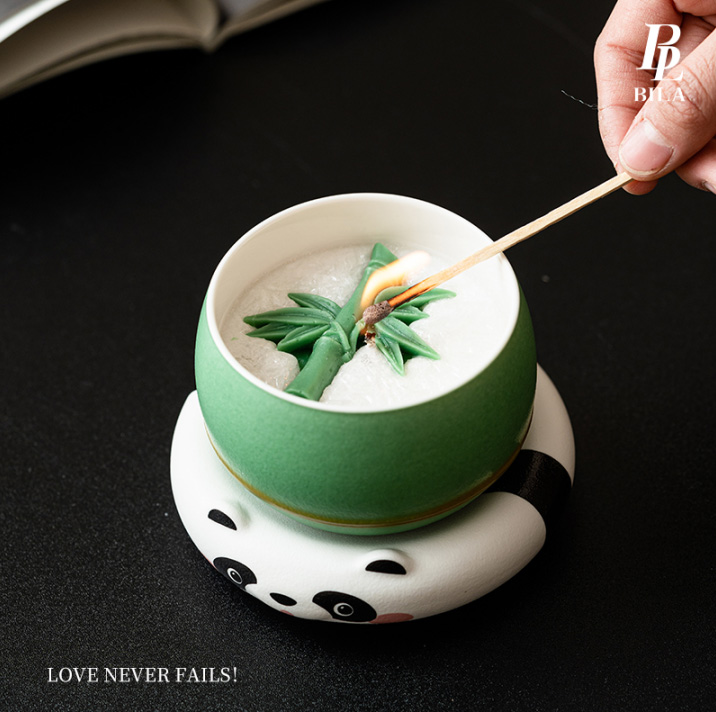
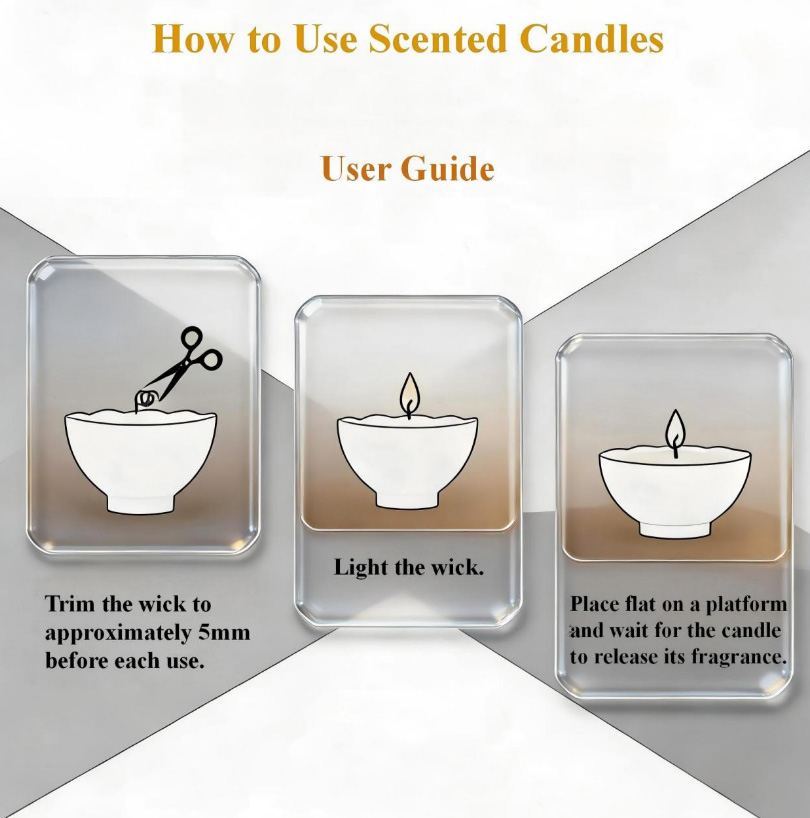
Scented candles emphasize ambiance, visuals, and a sense of ritual;
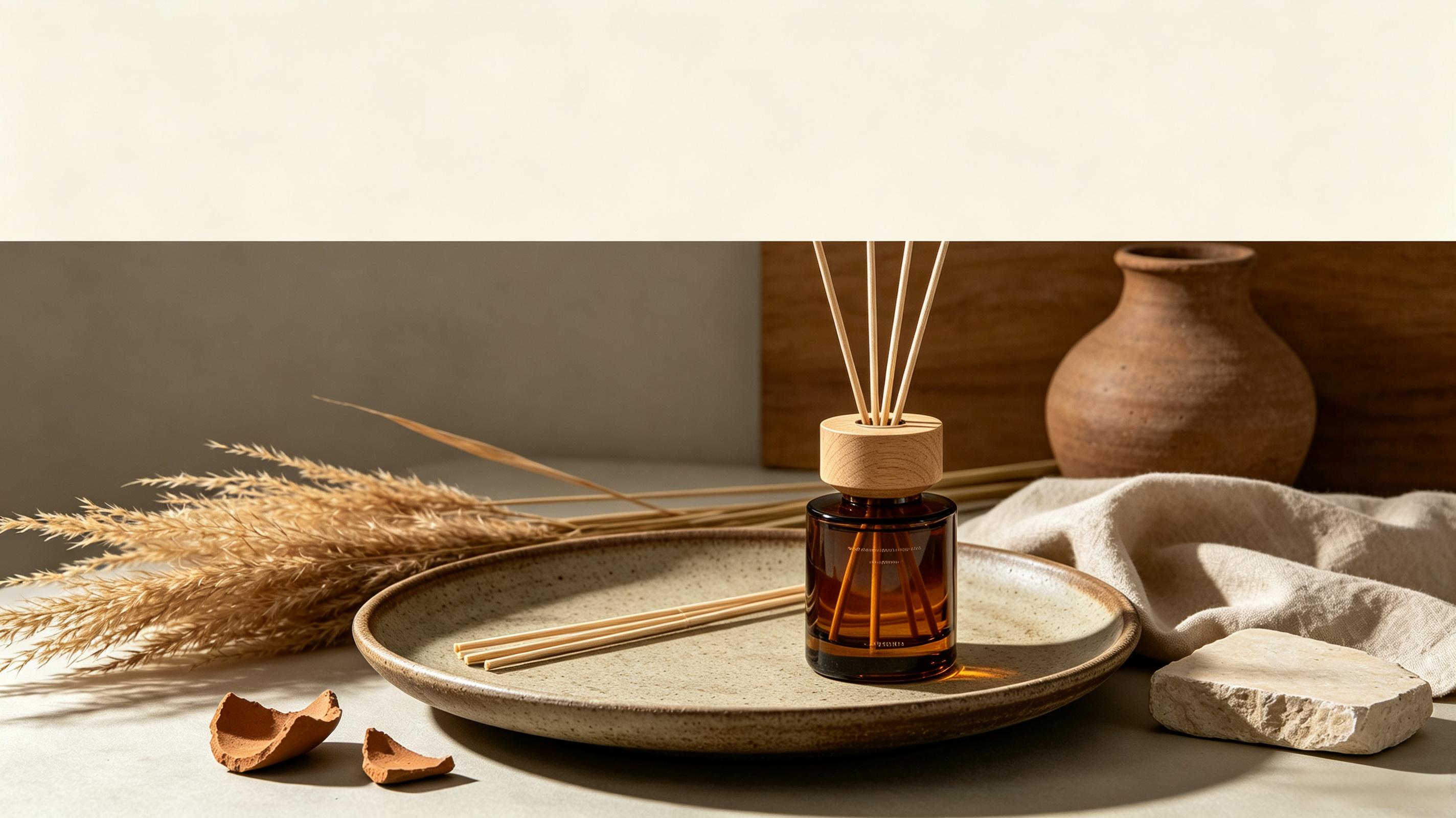
Liquid diffusers are better suited for continuous room fragrance;
Perfumes are more closely linked to personal scent and the expression of identity;
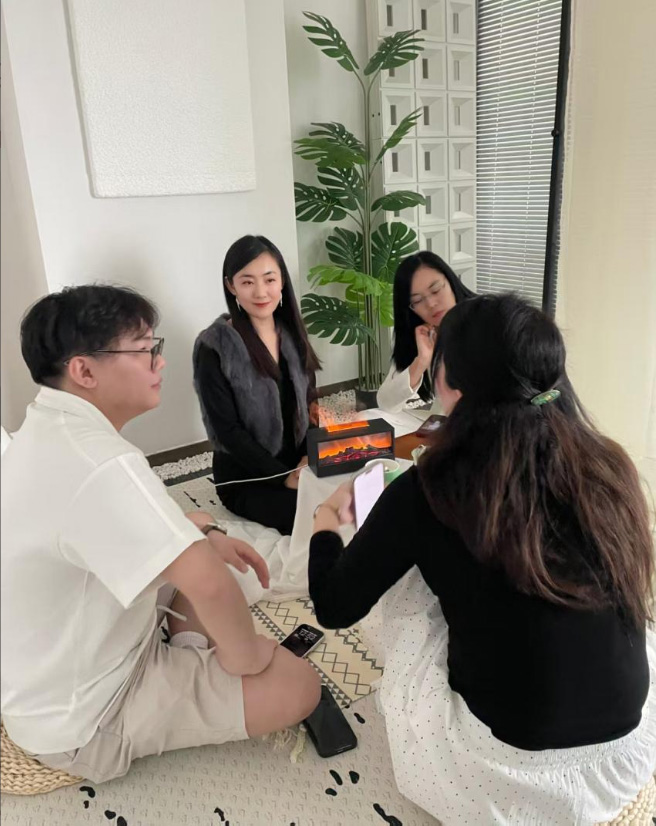
Smart diffusers are ideal for scenarios requiring continuous diffusion, such as in homes, hotels, or commercial spaces.
Consequently, the same scent profile applied to different products may cater to entirely different consumer needs. A brand shouldn't simply pick a scent first and then consider "what products to make" as an afterthought.
A more logical approach is:
Define the consumption scenario first, then decide on the product format.
III. Price positioning dictates how the product should be made
Product pricing should also be determined during the early stages of development.
Price is not merely a number slapped onto the product at the end; it directly influences raw materials, containers, packaging, fragrance concentration, volume, and production methods.
Take a scented candle, for example:
If positioned for the mass market, the focus might be on cost and production efficiency;
If positioned for the mid-to-high-end market, more investment might be needed in wax quality, fragrance, containers, and packaging;
If positioned as a high-end gift, considerations must extend to gift boxes, visual design, and the overall unboxing experience.
Therefore, when searching for "China's best fragrance factory," a brand shouldn't just ask, "How much does it cost per unit?"
It is more important to ensure the supplier understands:
The intended retail price and the value you want consumers to perceive.
Only then can the factory align the appropriate materials, craftsmanship, and production plans.
IV. Product positioning must also consider "what makes you memorable"
The fragrance market is already saturated with products.
Simply launching a "rose-scented candle" or "sandalwood candle" makes it difficult to establish a distinct brand identity.
Brands need to find their own unique differentiation.
This differentiation can stem from various aspects:
A unique scent profile;
A distinctive product format;
An artistic container design;
An eco-friendly philosophy;
Or a comprehensive product ecosystem built around a specific lifestyle scenario.
For instance, a brand might develop a full product line centered on "natural home living" rather than selling just a single candle.
Another brand might focus on "urban living," creating fragrance products suited for settings like bedrooms, office desks, or cars.
Positioning isn't about telling consumers "what I have"; it's about letting them know "why they should choose you."
V. Avoid making the product line too extensive right from the start
Brands new to the fragrance market often fall into a common trap:
Thinking that since they are entering the market, they should launch perfumes, candles, diffusers, and aroma machines all at once.
However, a larger product range entails higher costs for R&D, packaging materials, inventory, and operations.
For new brands in particular, the priority should be identifying the products that truly resonate with consumers. Therefore, one can start with a single core product or a small product line.
For example: one core fragrance + one or two product formats + a clearly defined target audience.
Validate the market first, then expand the product range based on feedback.
This approach not only minimizes inventory risk but also helps the brand gradually discover the product direction that truly suits it.
VI. The supply chain truly begins to deliver value only after positioning is established.
The actual development phase begins only after the product positioning is clearly defined.
At this stage, the factory’s involvement goes far beyond mere "production."
It encompasses fragrance development, product structure, packaging material selection, visual design, sample testing, and subsequent mass production.
For fragrance products in particular, the brand's intended positioning must ultimately translate into a product experience that consumers can tangibly perceive.
If a brand positions itself as high-end but fails to match that with the quality of the scent, the texture of the container, and the packaging, then the positioning remains nothing more than marketing rhetoric.
Conversely, clear product positioning enables the supply chain to execute development more accurately.
Thus, brand positioning and supply chain capabilities are intrinsically linked.
VII. Truly effective product positioning aligns every development decision toward a common goal.
Before entering the fragrance market, a brand should have clear answers to the following questions:
Who is the target audience? What consumption scenario does it address? What product format should be chosen? What price point is targeted? Why would consumers choose you? Can the product evolve into a full series in the future?
The clearer these answers are, the easier it becomes to establish a cohesive logic for subsequent R&D, packaging, production, and marketing.
Creating a fragrance product is not as simple as "picking a pleasant scent and pairing it with a beautiful bottle."
Establishing clear positioning from the outset ensures that the fragrance, product, packaging, and brand values coalesce into a truly complete product.
How does BILA help brands develop fragrances for various products?
We are not only a manufacturer with over 30 years of experience at the source; we also provide global brands with comprehensive, customized solutions for new product incubation and flexible production support with low minimum order quantities (MOQs). Our product portfolio spans categories such as scented candles, perfumes, liquid diffusers, and smart fragrance diffusers. We manage the entire process—from fragrance R&D, product design, and custom bottle and packaging creation to compliant production and final delivery. Why global clients choose to partner with us (Our core strengths):
✨ Flexible MOQs: From Customization to Mass Production
We support small-batch orders, helping brands minimize market testing risks and inventory pressure, while also meeting mass production needs to drive market growth.
✨ End-to-End Customization Services
We provide a one-stop service covering everything from fragrance R&D, custom packaging and visual design to customs clearance and shipping that meets global compliance standards.
✨ Empowering Brand Growth with an International Perfumer Team
Our team of international perfumers helps brands capture cutting-edge fragrance trends, boost market competitiveness, and achieve sustainable growth.
✨ 30+ Years of Industry Experience & Authoritative EU Certifications
Our products and services reach over 40 countries, complying with EU regulations and global industry standards such as IFRA, REACH, and CE.
✨ Artistic Fragrance & Eco-friendly Philosophy
We create collectible, heirloom-quality artistic fragrances that offer multi-functional utility, while championing natural, healthy, and plant-based ingredients.
Whether you are a brand owner, retailer, wholesaler, distributor, cross-border e-commerce seller, independent online store operator, corporate client, or trader—and whether you are seeking a reliable supply chain partner or looking to scale up production for existing projects—we stand ready as your solid, dependable supply chain backbone. Contact us today.
FAQ
Q1: What products should a new brand launch first when entering the fragrance market?
There is no single answer; the choice depends on target consumers, usage scenarios, price positioning, and brand characteristics. New brands can typically start by testing core products or a small collection.
Q2: What is the relationship between fragrance profiles and product positioning?
Fragrance profiles must align with target consumers and brand positioning. The same fragrance can deliver a different product experience depending on the product type and price point.
Q3: Do I need to develop a large number of products when first starting out in the fragrance business?
Not necessarily. You can validate the market through small-batch development first, then gradually expand your product line based on sales performance and consumer feedback.
Q4: Can the factory assist with product positioning?
Professional suppliers can offer advice on fragrance profiles, product formats, packaging, and production feasibility; however, the final brand positioning should be determined by the brand itself based on its market strategy. Starting from brand positioning, BILA assists with fragrance development, product design, and multi-category customization, effectively translating the brand's product vision into a tangible fragrance experience for consumers.
Text/Photos: BILA
Copyright and Right of Interpretation held by
BILA Biotechnology (Guangzhou) Co., Ltd.
.png)